We carried the rain with us to Bijapur. It was dull and overcast and we had much rain when we went out to see the monuments. Bijapur is a walled city and parts of the wall were evident as we drove around. There are monuments scattered all over the city and some of them outside of the fort wall.
Bijapur is crowded and the traffic is chaotic. Small groups of people have conferences in the middle of the road and even at roundabouts, so one has to drive carefully.
The little knowledge we had of Bijapur or Vijayapura, as it is now called, was from our history text books in school. This structures in and around the city have been built by Adil Shahi rulers over a few generations.


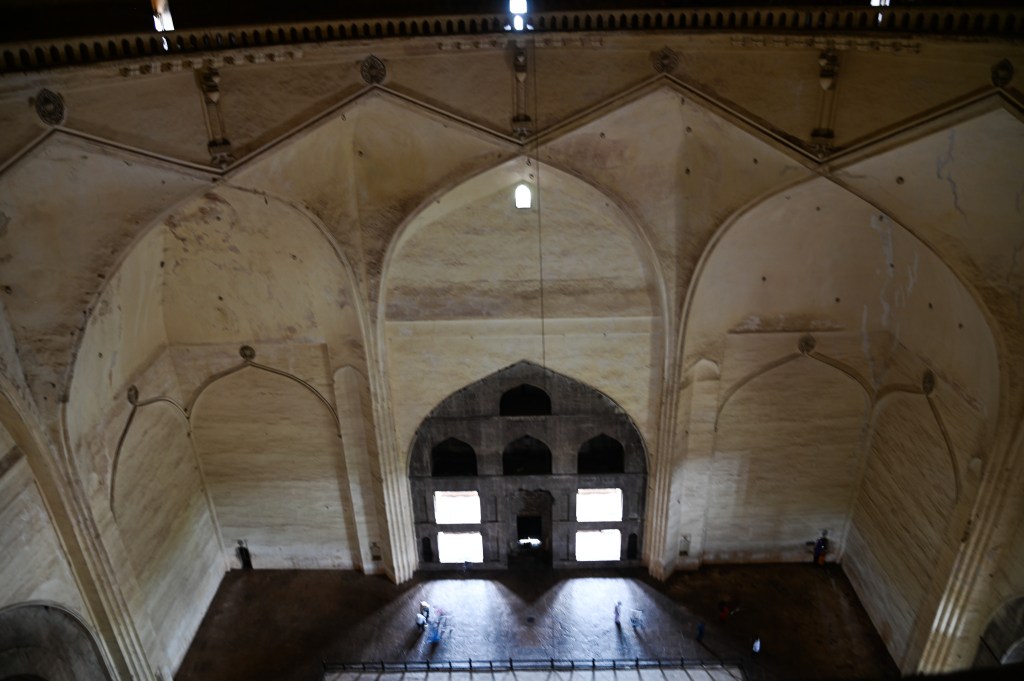

The most famous of these, the Gol Gumbaz was all we had heard of. It is a good idea to visit this monument really early and before the crowds gather to understand the acoustics within the dome area at the top of the monument. There is a direct transmission of sound across the viewing gallery at the top of the monument and even very tiny sounds carry and echo across including rustling of paper and coins jingling and soft voices being heard over a large distance. The architecture from centuries before is a sight to behold. We were told that this was the second largest single dome structure in the world. Access is only on the front side of the monument. Due to the size of the dome and the structure itself, there is a small extension built towards the rear of the monument that supports it and acts as a counterweight. There is also a mosque. We did not have access to these areas.
We then moved to see other structures around the city. This included the Bara Kaman, Ibrahim Rozha, Jodh Gumbaz and the Diwan-e-aam, the Diwan-e-khaas as well as the pond that supplies water to the city.
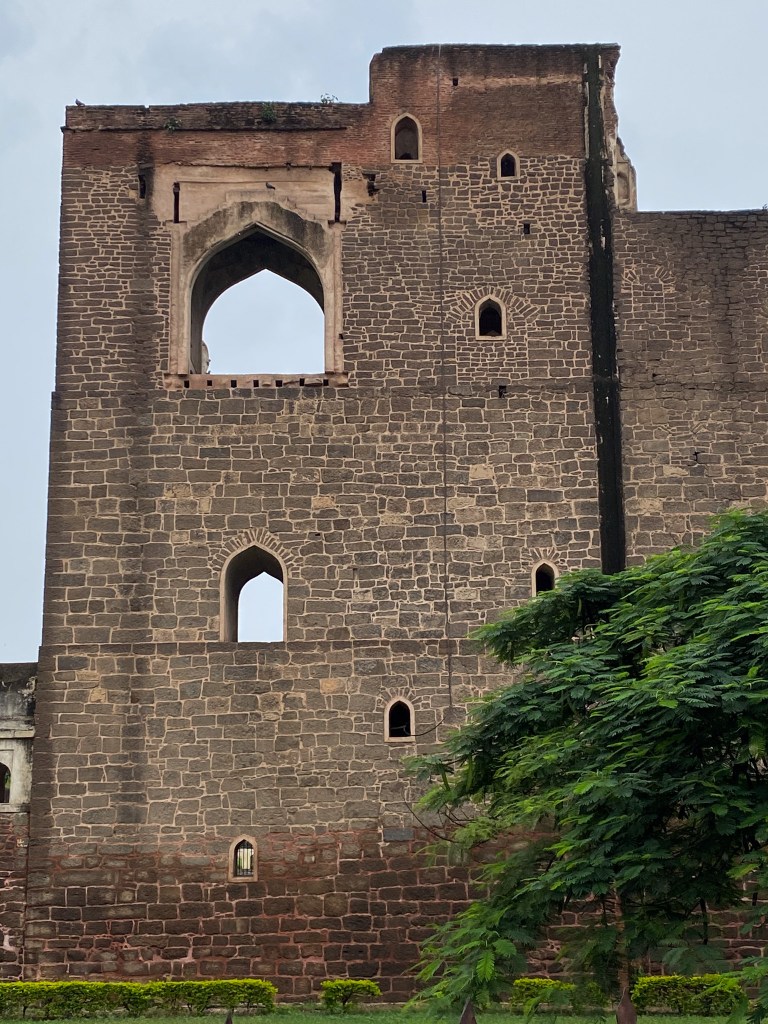

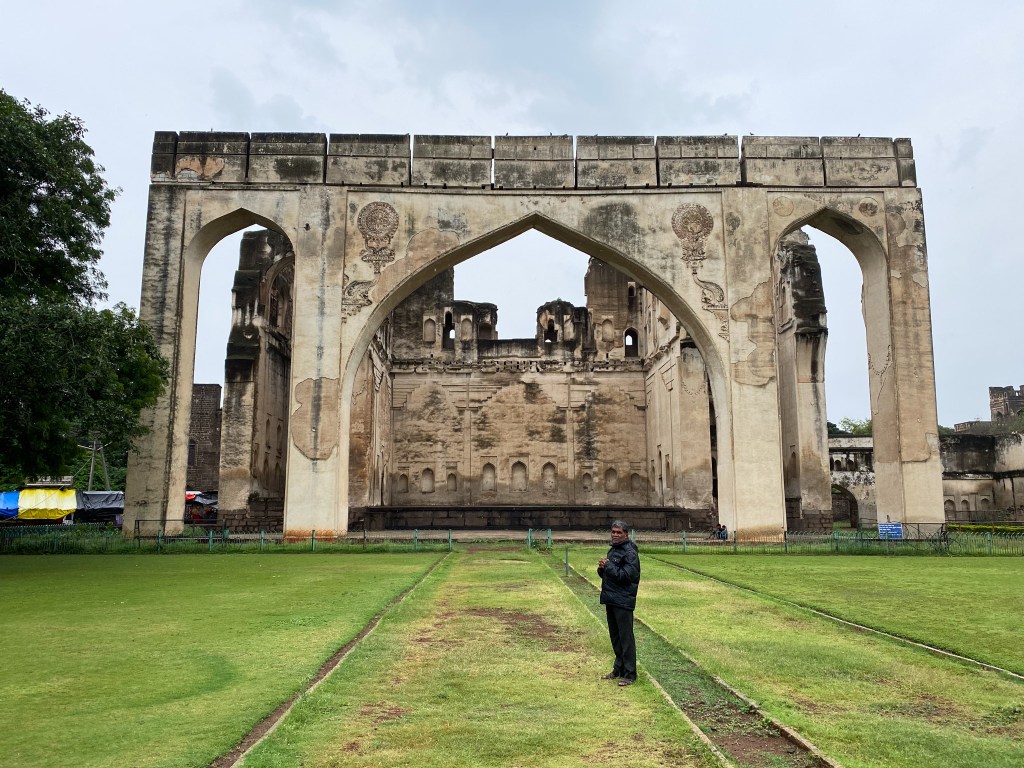
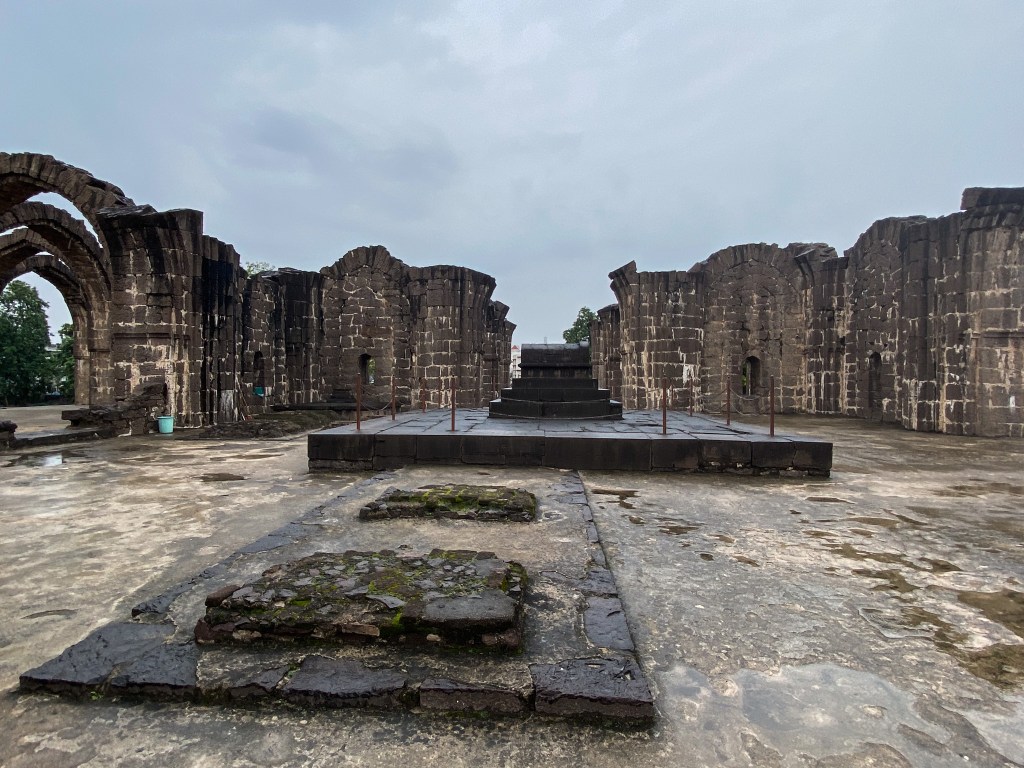
Bara Kaman which was built during the times of Ali Adilshah as a mausoleum for his wives wasn’t completed in his lifetime. After his death, he was buried below the incomplete structure alongside his wives. It has a concentric set of 12 arches, hence the name.
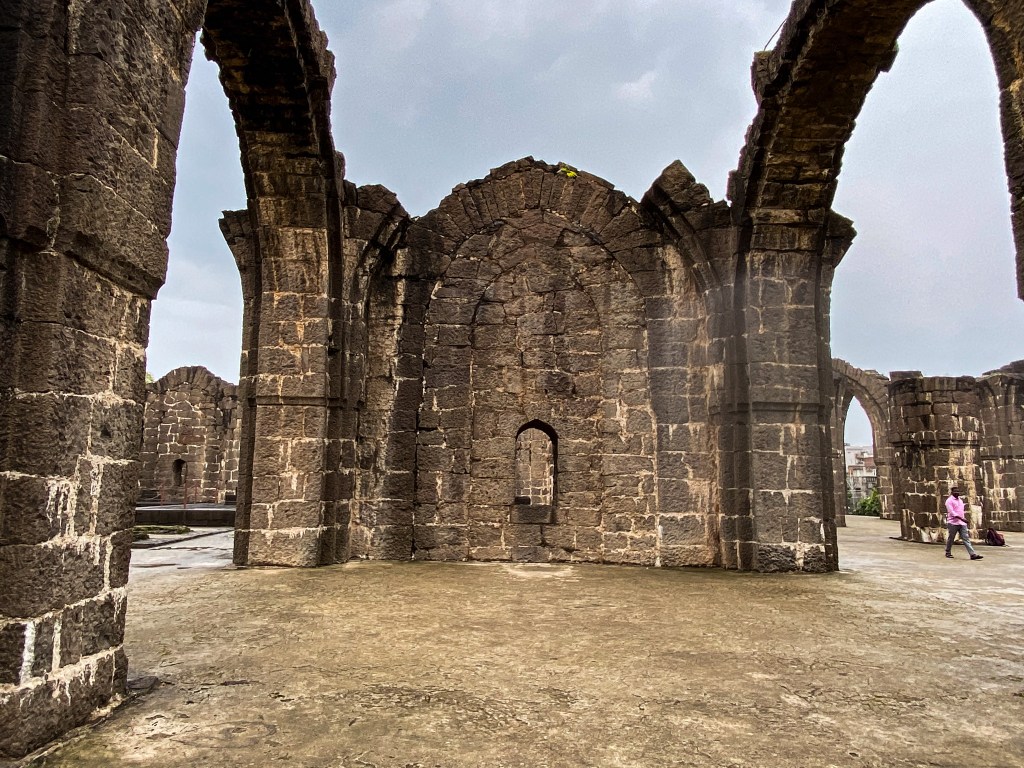
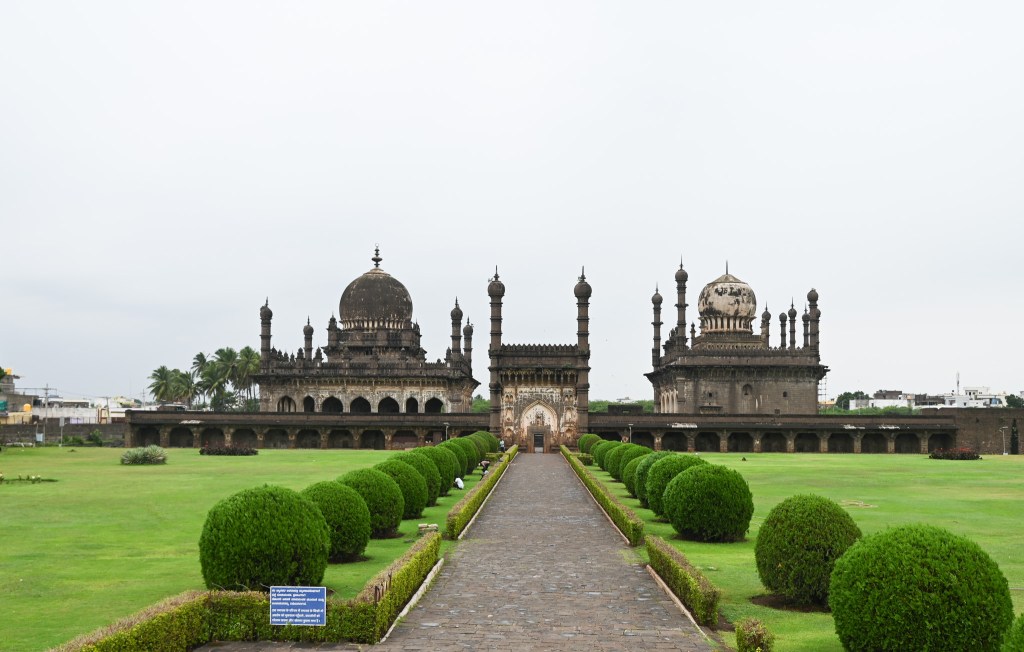
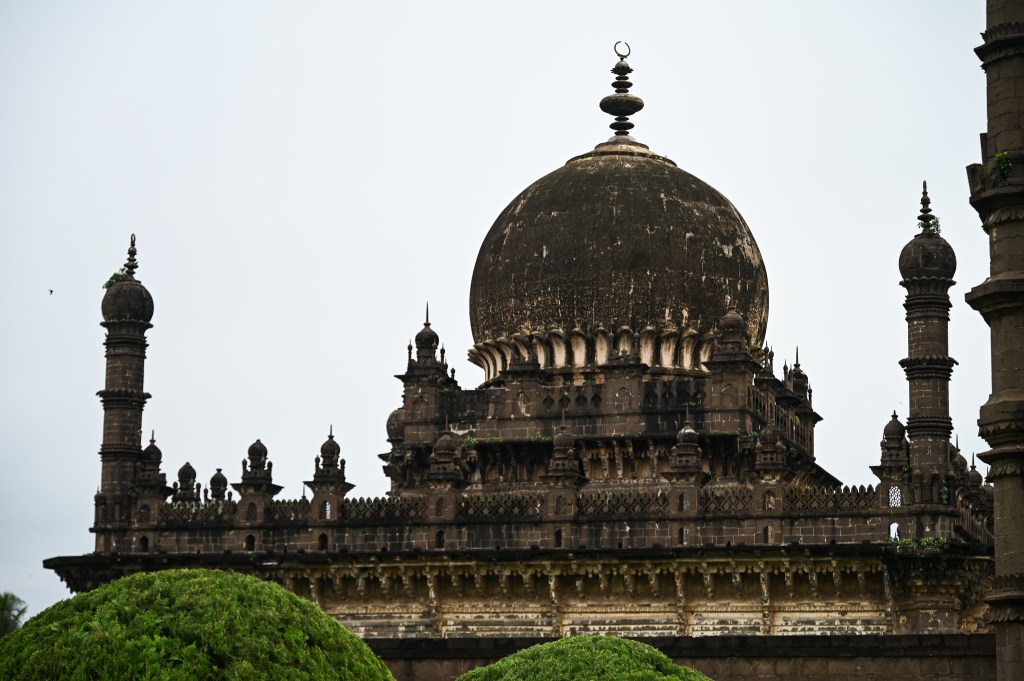
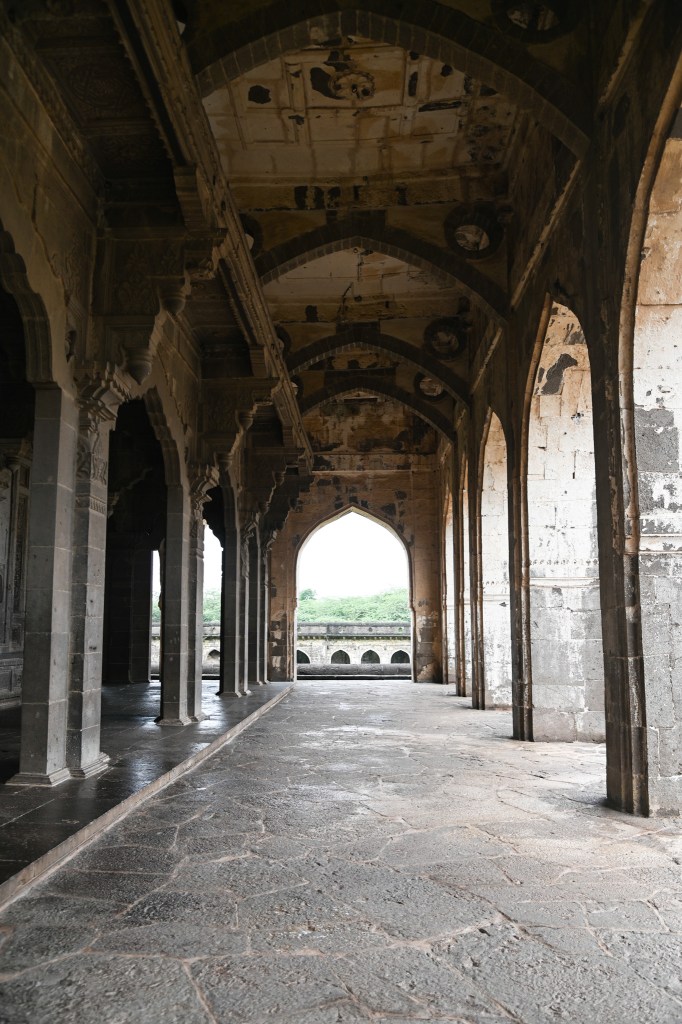
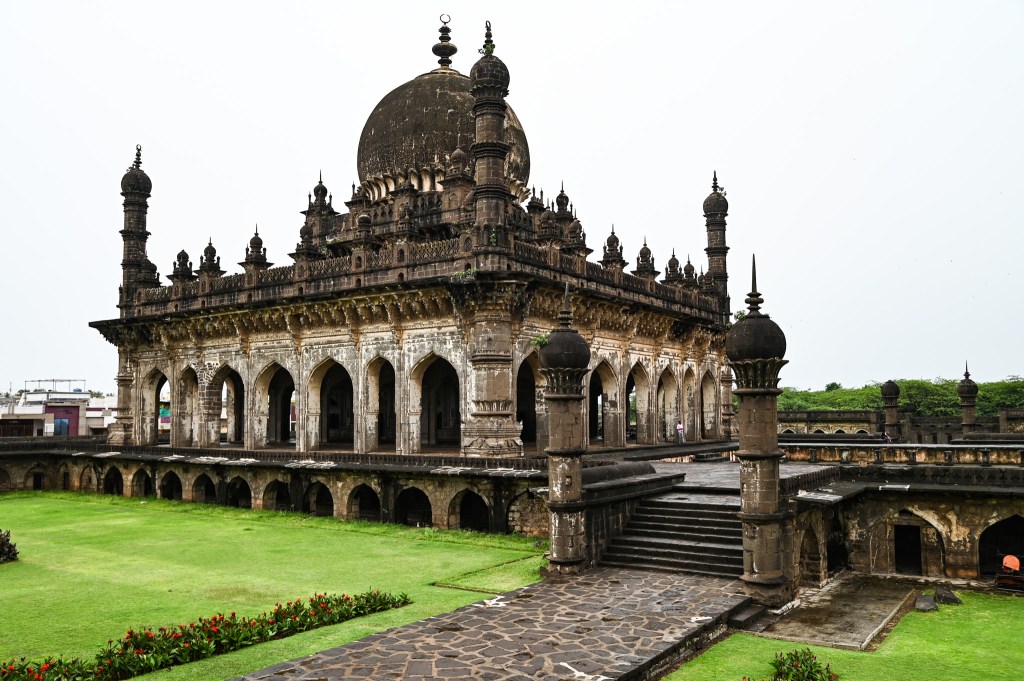
The complex called Ibrahim Roza is vast and has a mosque and mausoleum facing each other. There is evidence of architectural intervention in later years to additionally support arches that were threatening to fall. Intricate jaalis and carvings are evident on the walls of the mausoleum. There are out buildings such as stables for horses and elephants as also the workmen who constructed the monument.
Our next stop is Gandikota after an overnight halt at Hospet.
Here are a few links to the photos
 Wide Angles