Mandu, Jabalpur, Bhopal
We decided to go on a road trip to Madhya Pradesh. Since we had to return in 3 weeks, the trip was restricted to a few places in the southern area of MP, culminating in the National Parks to the east.
The route was MUMBAI- MANDU-INDORE-BHOPAL-PACHMARI- JABALPUR-KANHA- turn around towards PENCH-TADOBA- MUMBAI.
It was a convoy and our friends Sandeep and Archana accompanied us all the way and back. It was their very first road trip and we couldn’t be happier that they were there! Our trip began on the 6th of October and we took the Mumbai Nasik road to break journey at Dhule. The first day was all about messy roads with diversions on account of construction, potholes and tons of traffic.
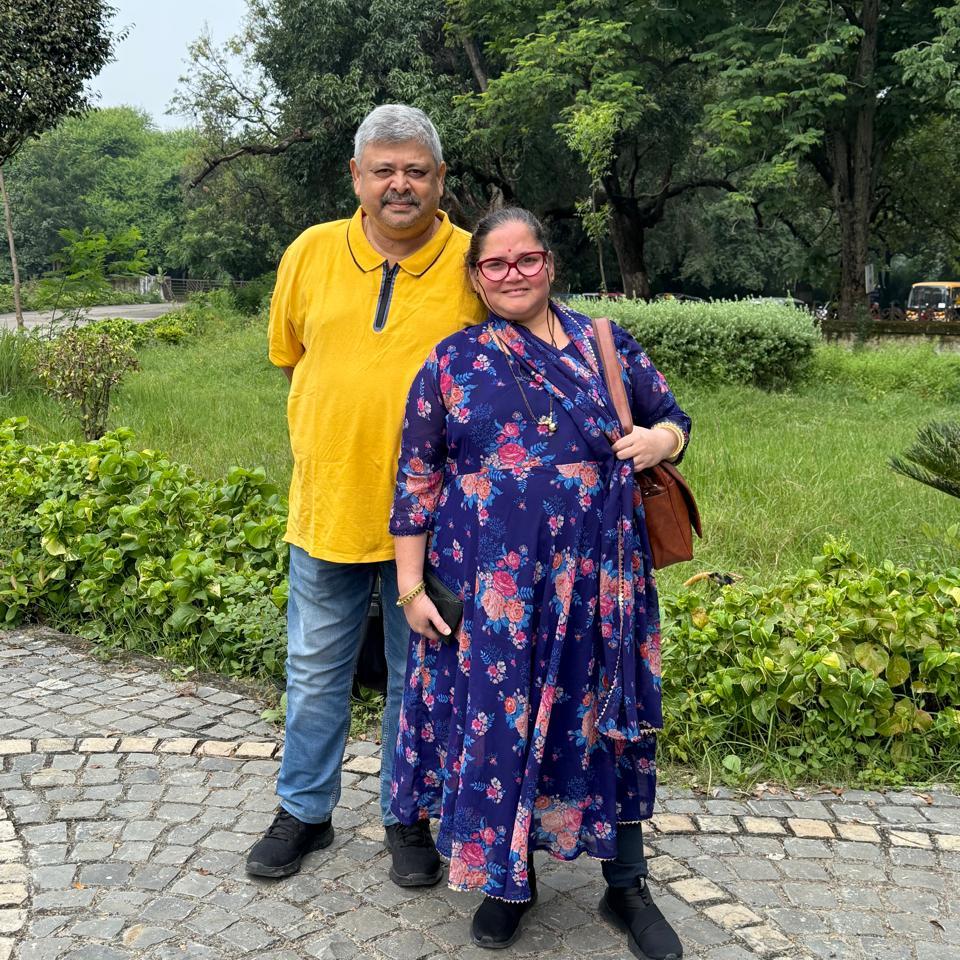
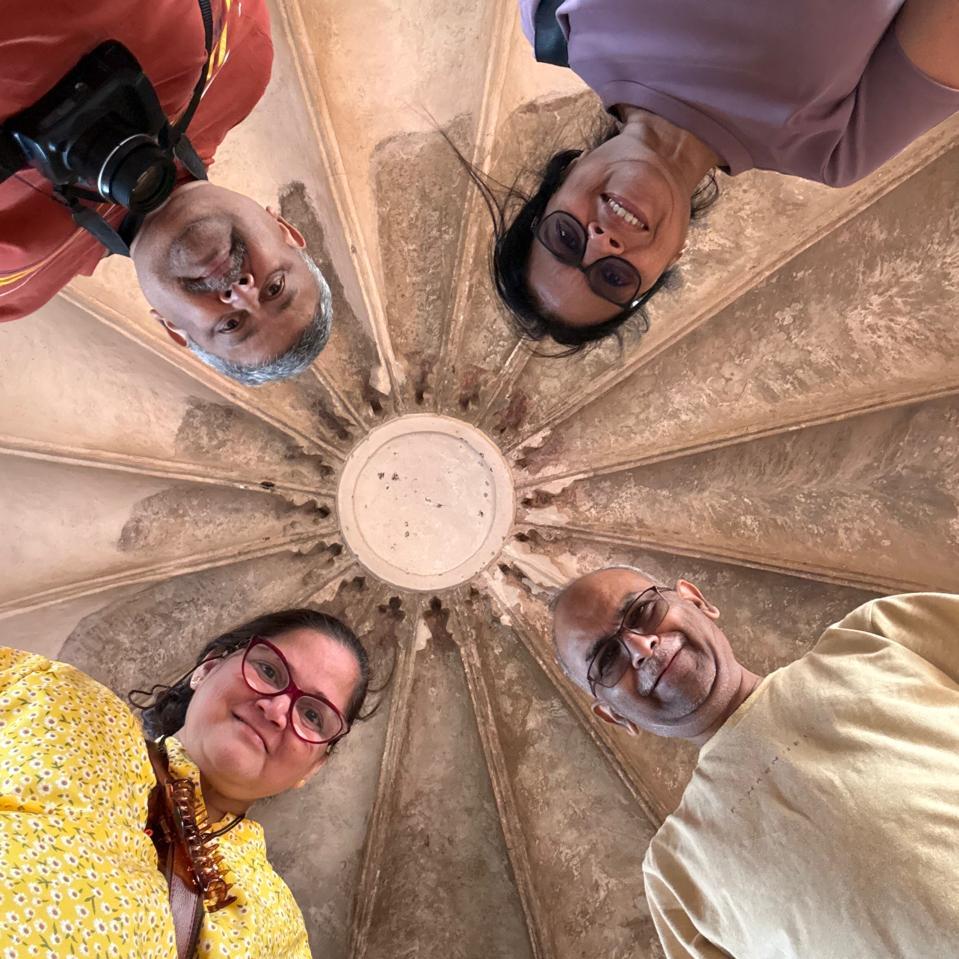
It is a wonder that the same highway that connects from Mumbai- Dhule and into MP towards Mandu is riddled with potholes upto the Maharashtra and then the road is miraculously well laid on the MP side.
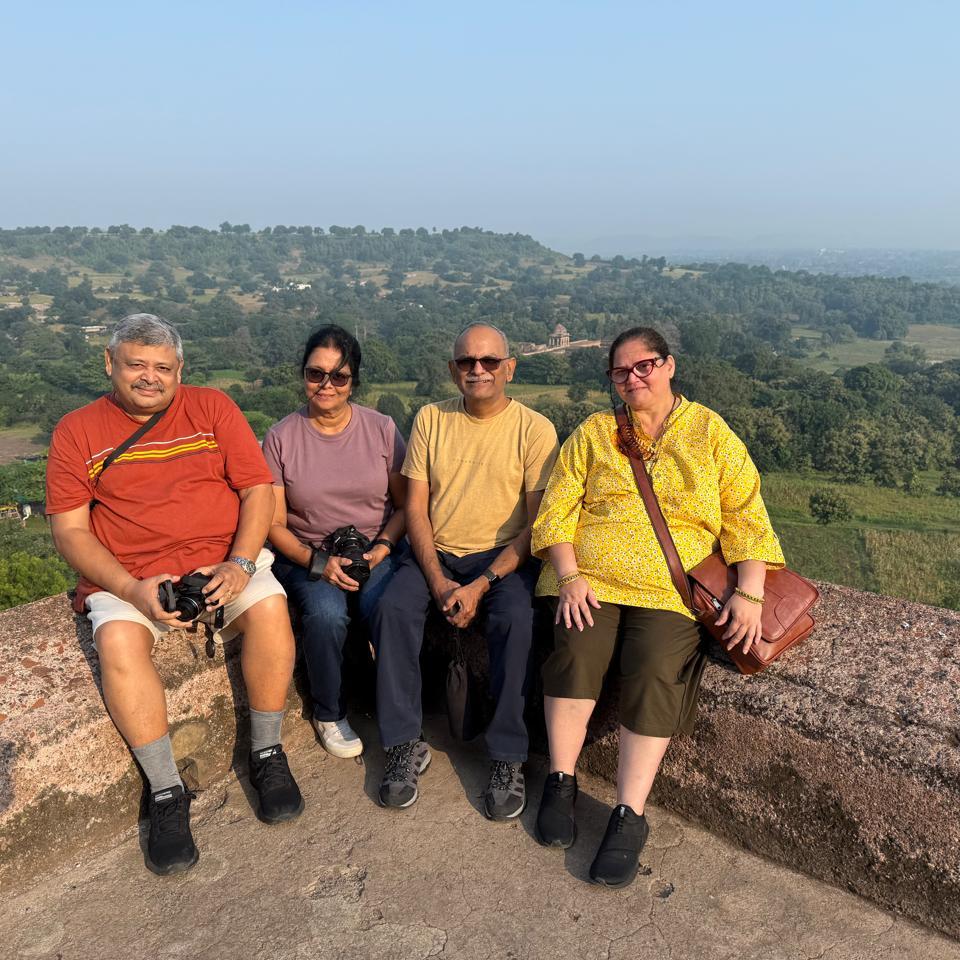
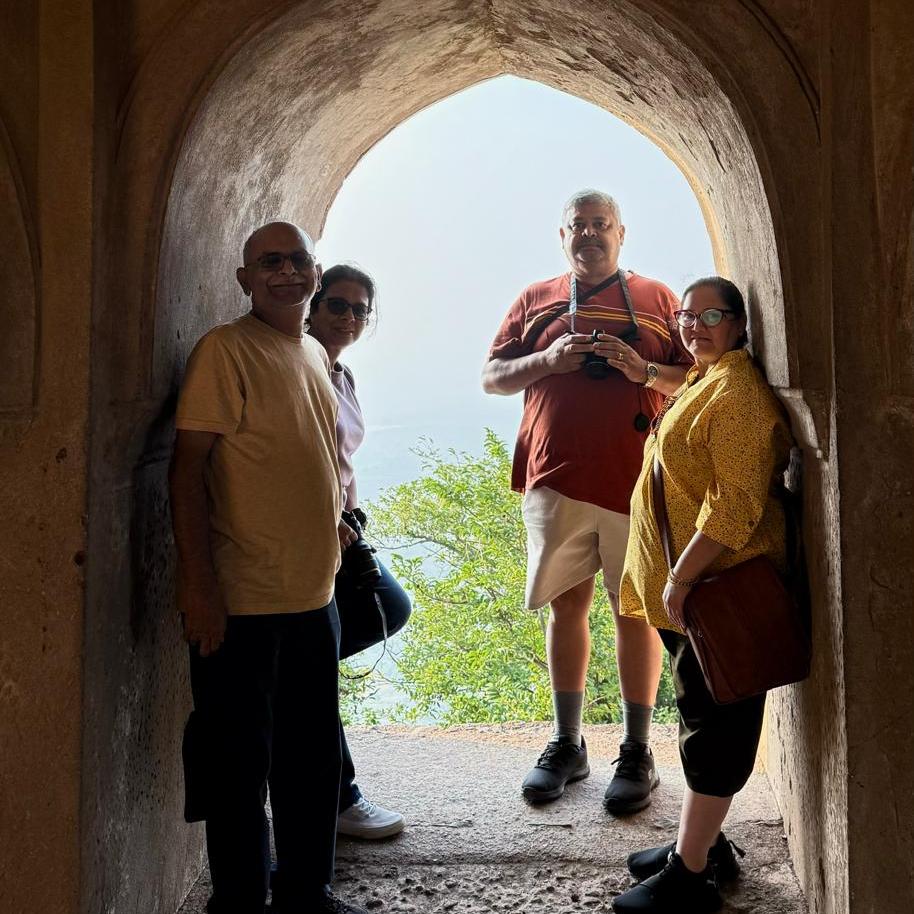
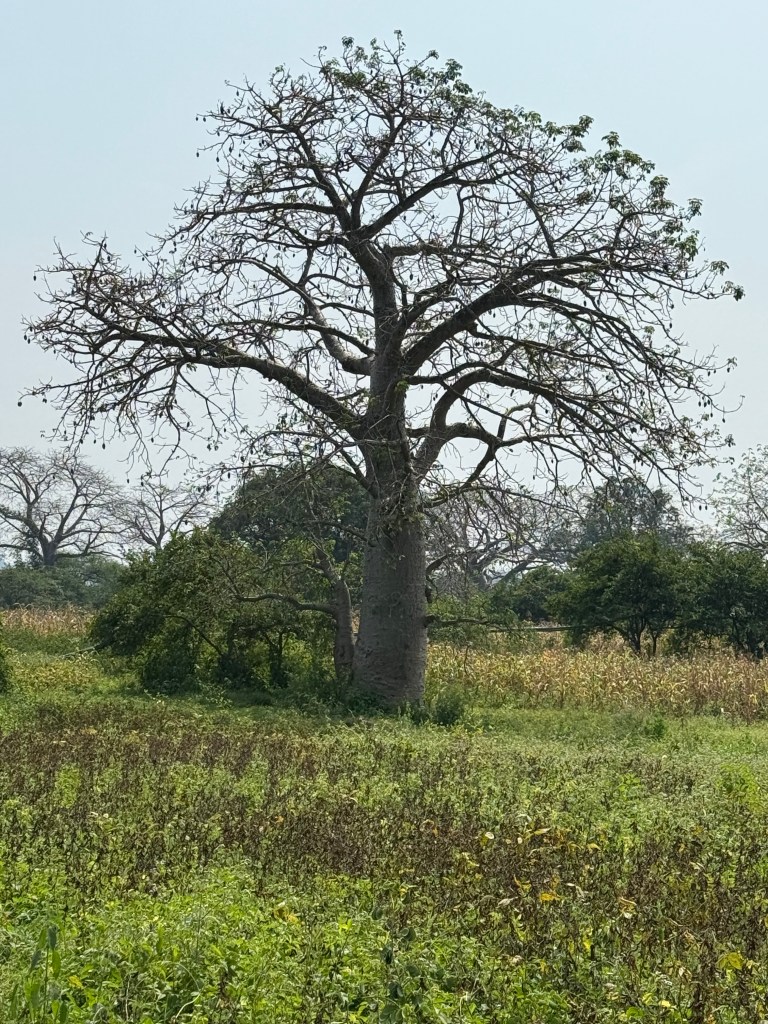
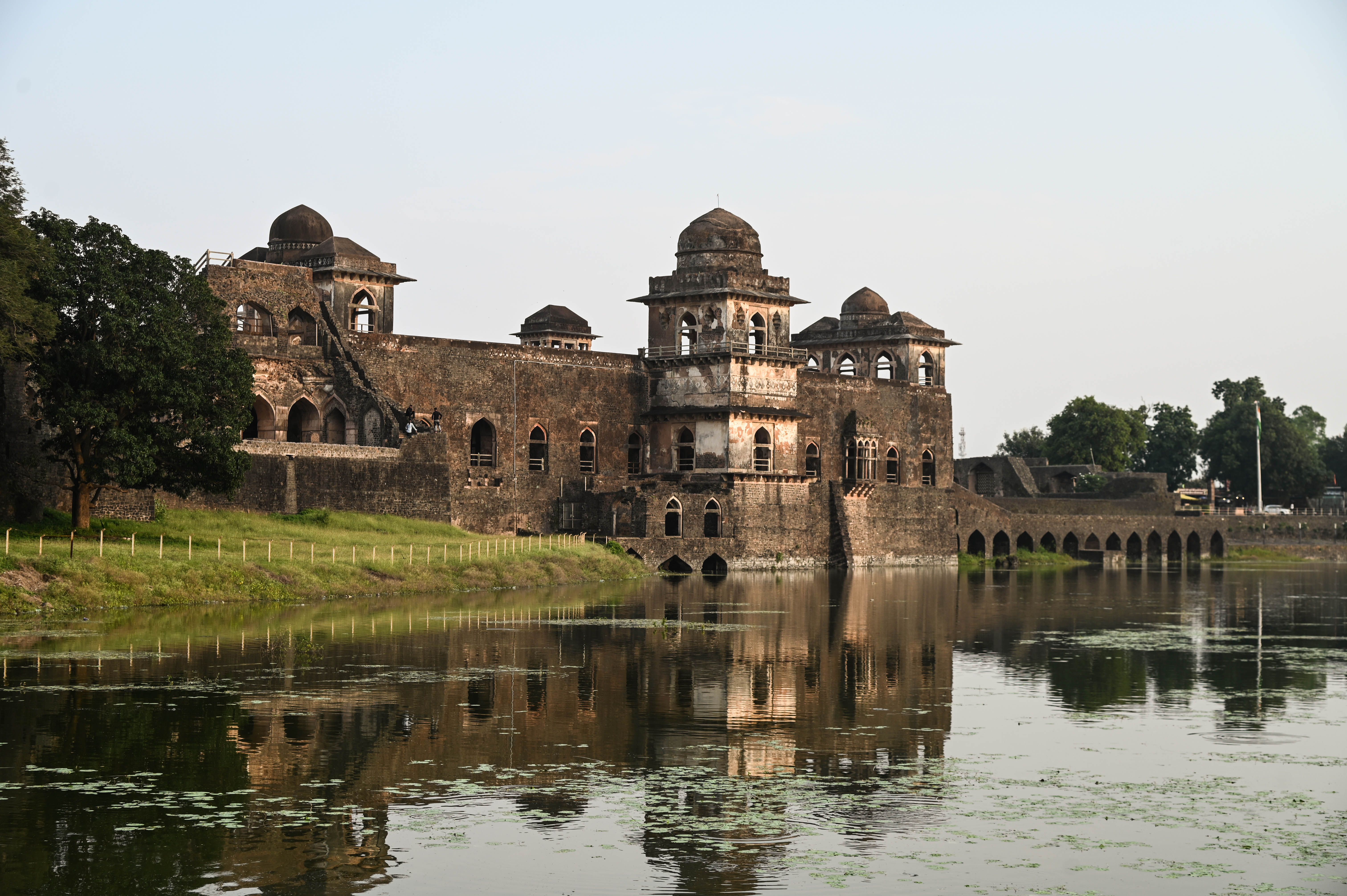
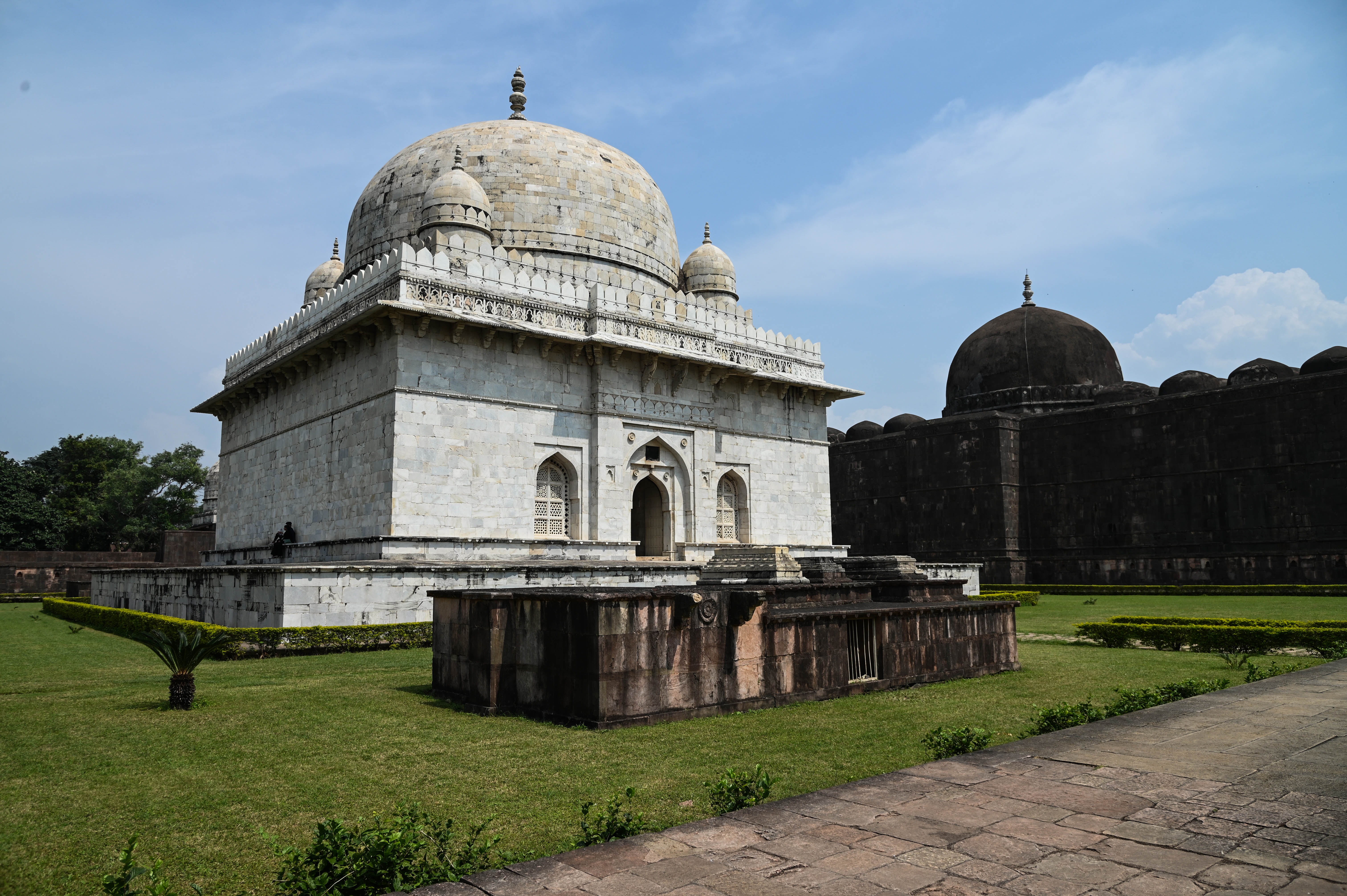
Mandu is a place of historical significance and was an experience. As we enter the small town, we see the skyline dotted with monuments everywhere, interspersed with Baobab trees. These look wonderful and I believe they were brought in by African traders more than 4000 years ago.

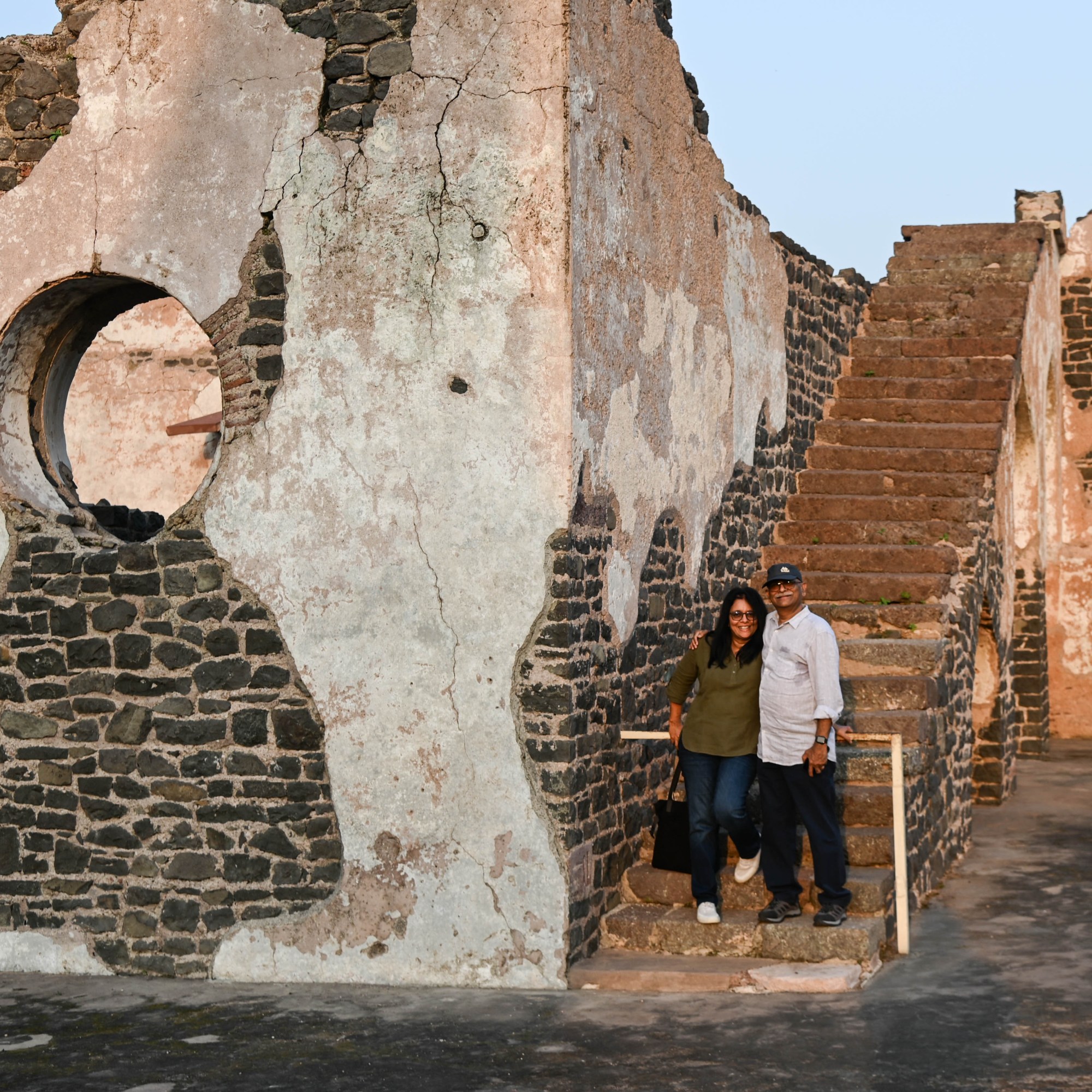
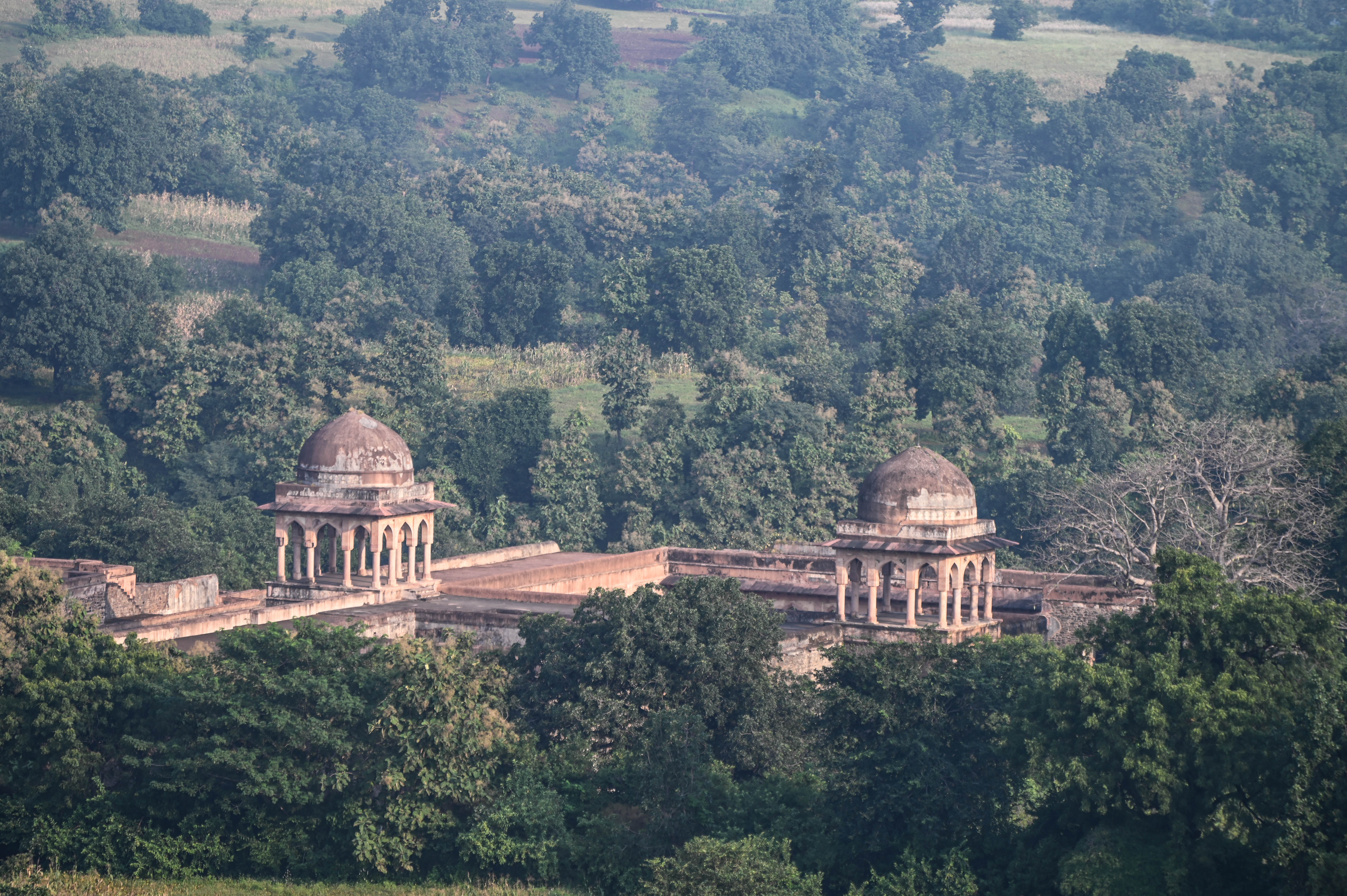
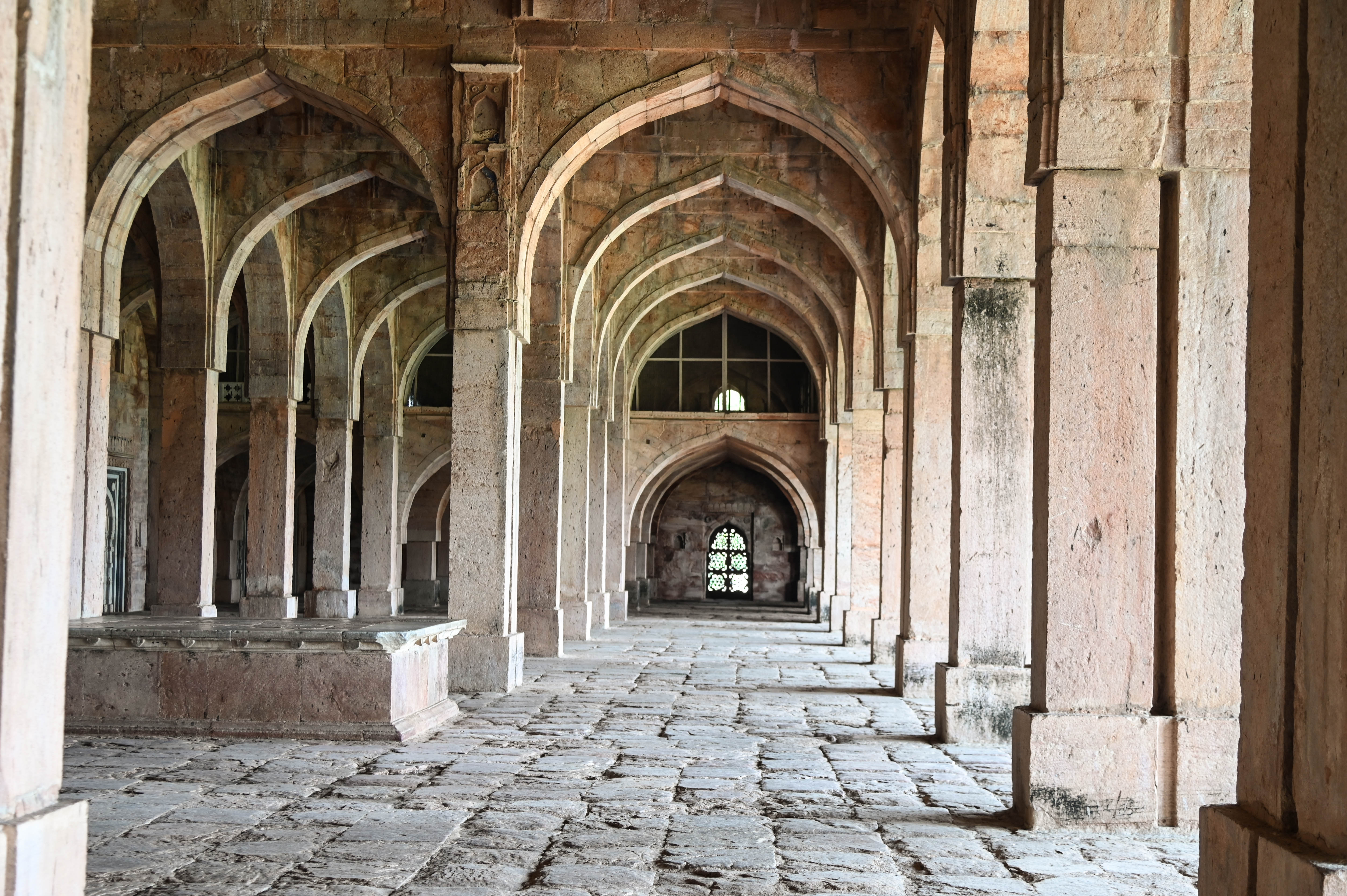
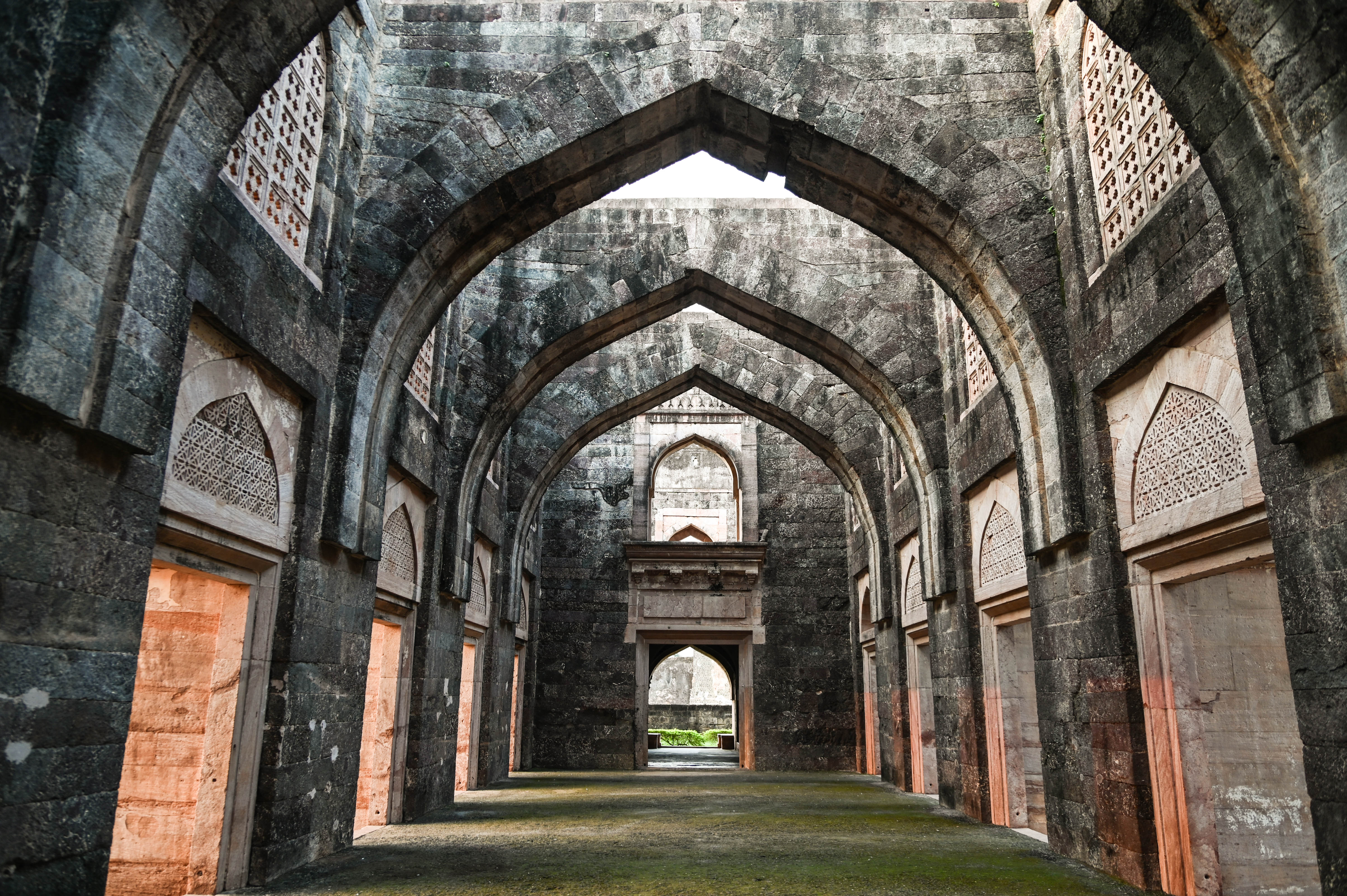
We engaged a guide to help us understand the significance of the monuments, history and heard stories about Raja Bhoj and Rani Roopmati. Mandu was the fortress town built by Raja Bhoj in the 10th century. Mandu has 12 entry gates. Over the next few centuries, Mandu was governed by the Governors of the Malwa region appointed by Mughal rulers. There are several beautiful structures built in Mandu by various rulers and they include Jal Mahal, Champa Baoli, Dai ki Mahal, Neelkanth Palace, Tomb of Darya Khan, Ujala Baoli, Andheri Baoli etc. While the architecture is essentially Islamic, there are Hindu influences in the peripheral structures that surround tombs, or some of the out buildings around Jal Mahal.
The Jal Mahal complex is vast and it is interesting to note that it has rain harvesting, water channels and water purification techniques.
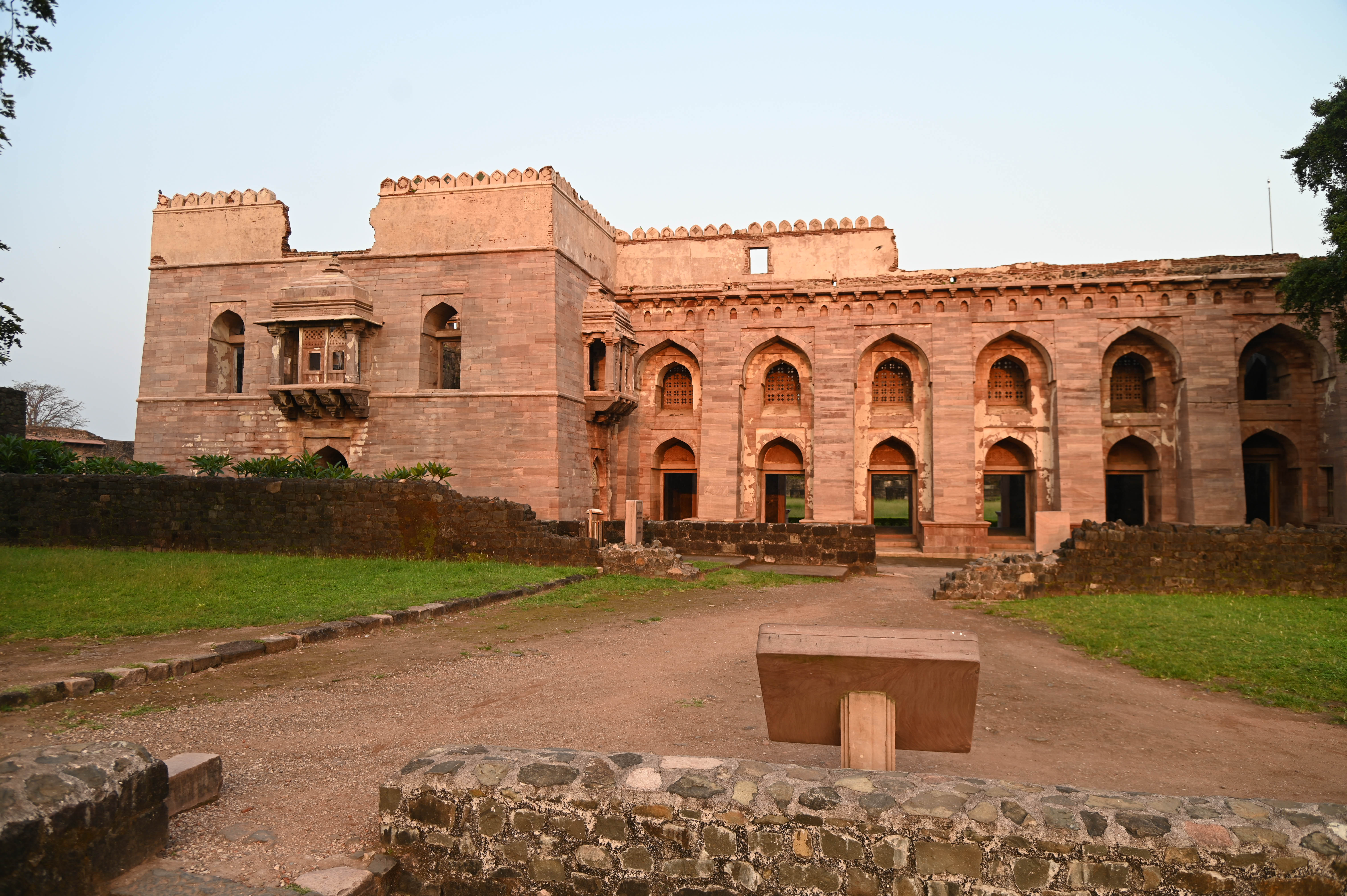
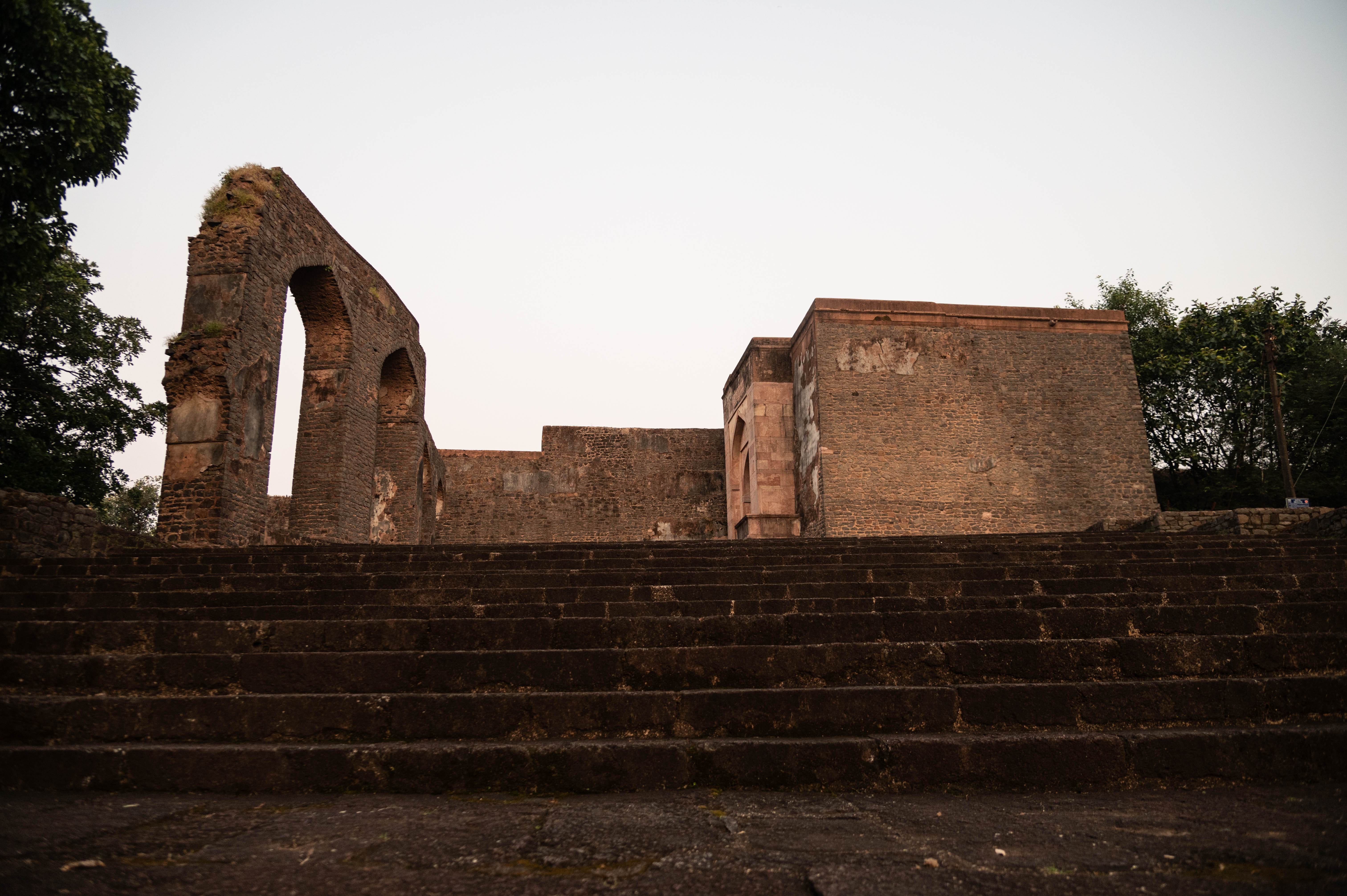
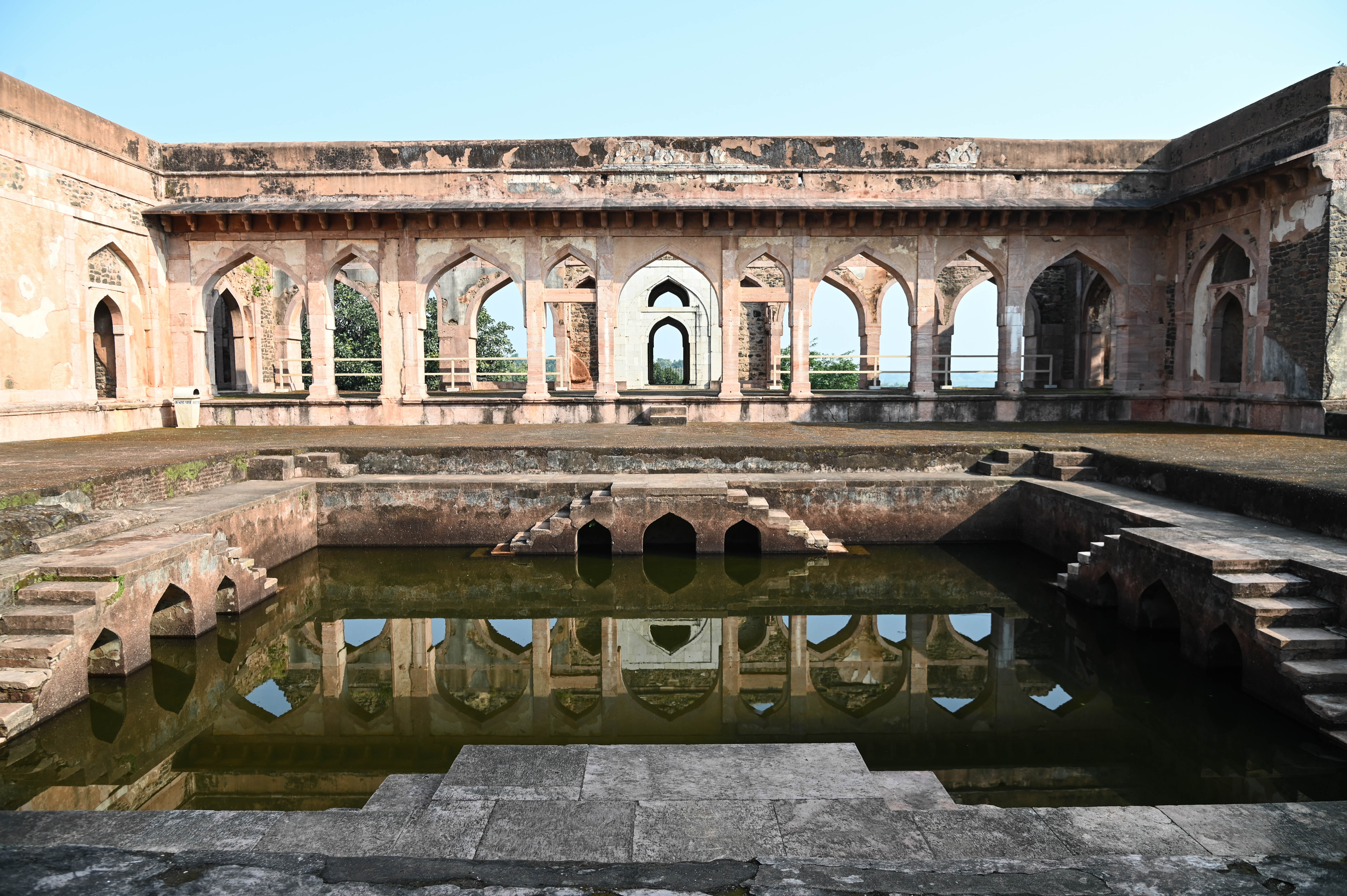

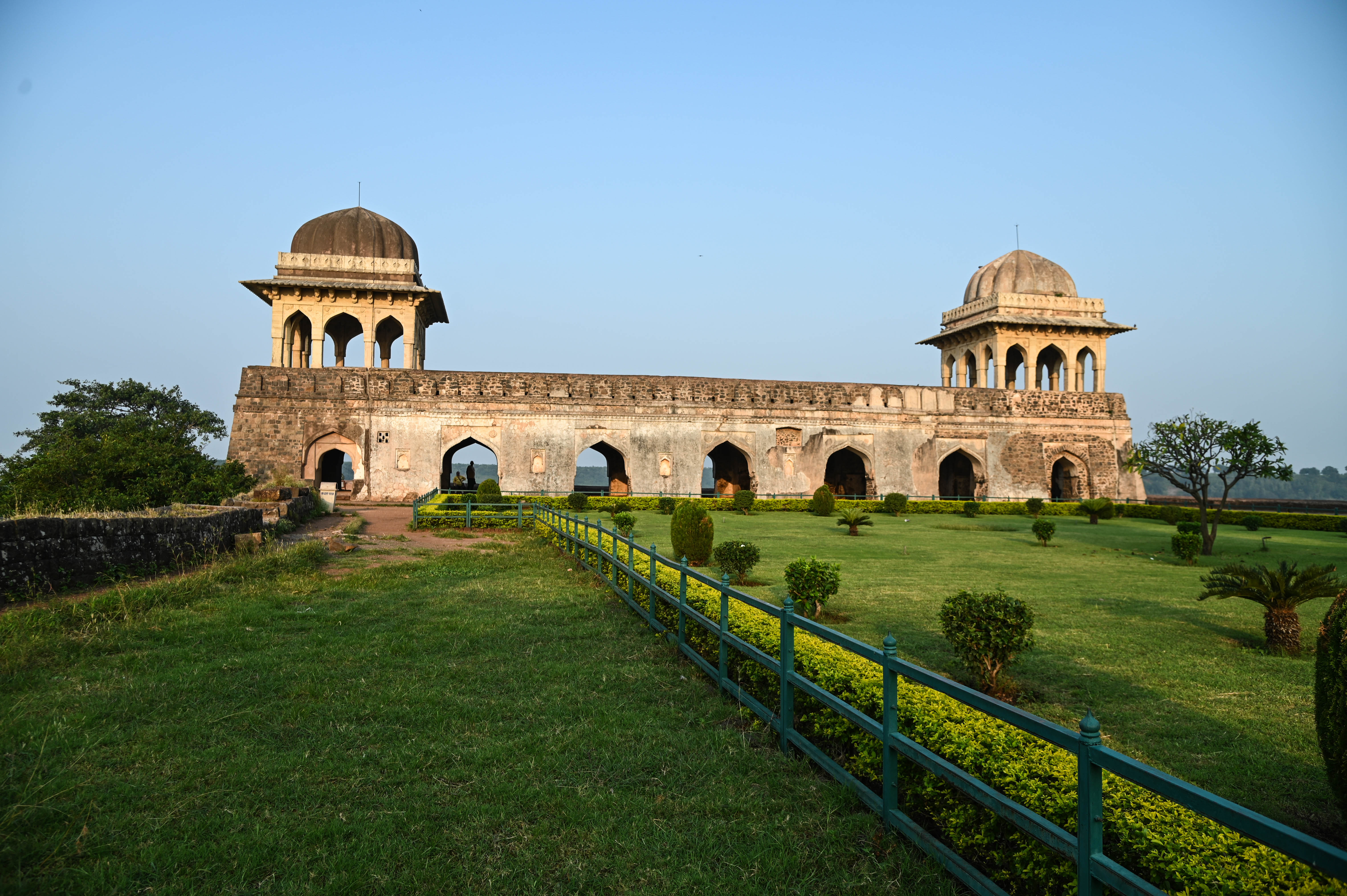

We had booked ourselves at the MP Tourism resort in Mandu. All the rooms overlook a lake and the whole complex has luxury of space. The rooms are large and comfortable and everywhere there is display of tribal Gond art. The plan was to pick up some of this art as we progressed on our trip.
Our album from Mandu is here – https://photos.app.goo.gl/Bpuv9JsYqcs4BP7HA
Our next stop was Indore. We stuck to the state highway despite Google telling us otherwise. It rained as we drove into Indore. The outskirts have small industries and some residential buildings. We were greeted into the city by a lot of half built fly overs and this was a sight throughout our stay in various parts of the city. Indore has been voted the cleanest city. We learnt that segregation happens at home and this is taken forward in various compartments of the tiny garbage trucks that ply all over the city. There did not seem to be any filth lying around, but the chaotic traffic and construction mess damped our expectations of a visibly clean Indore.
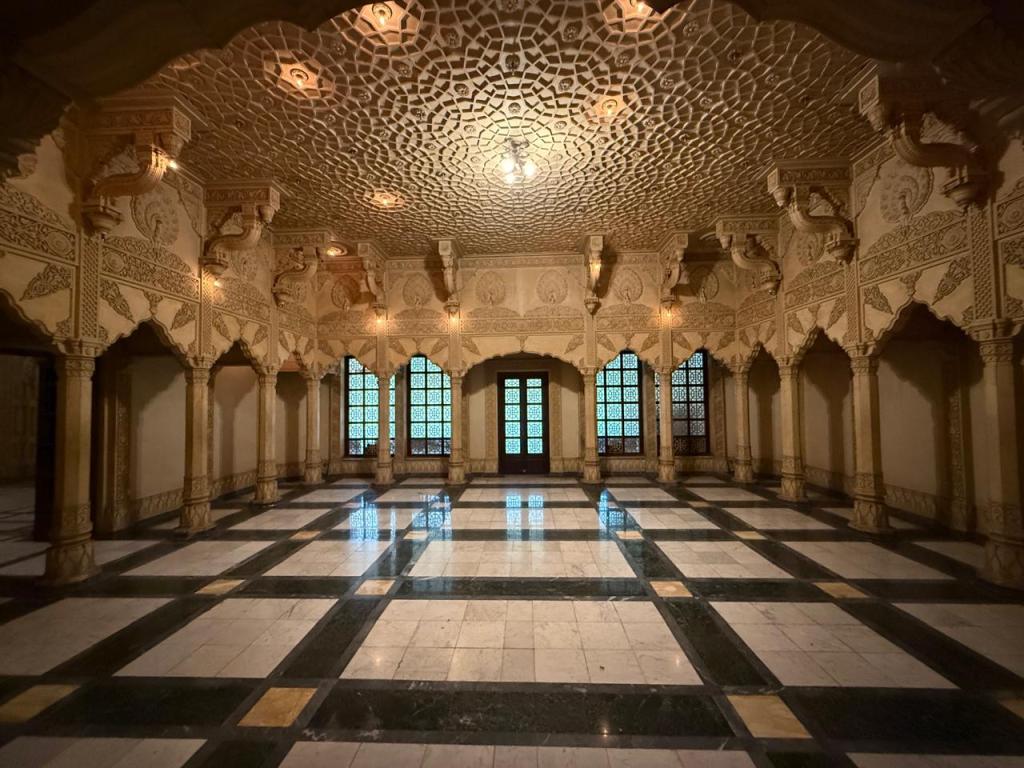
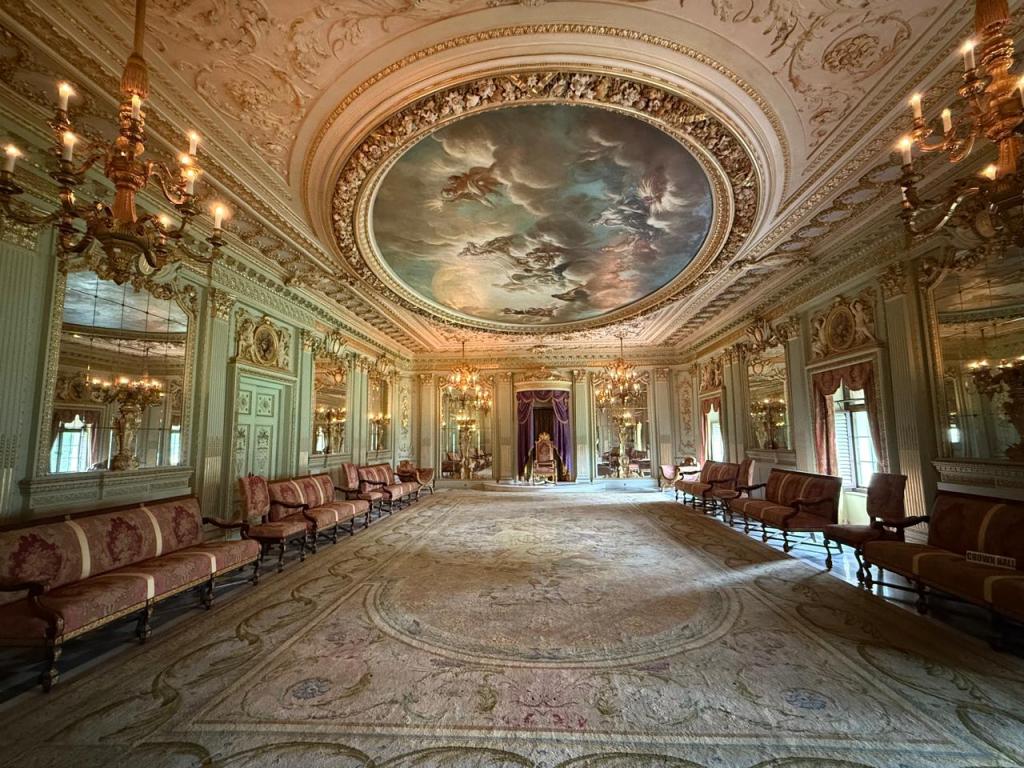
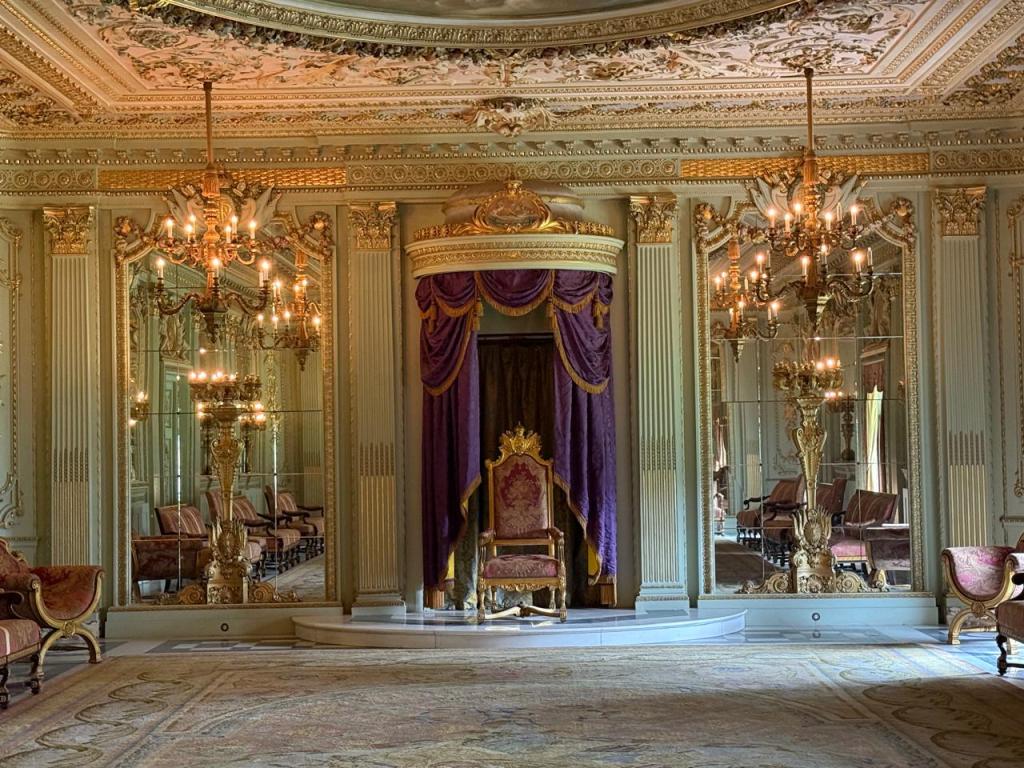
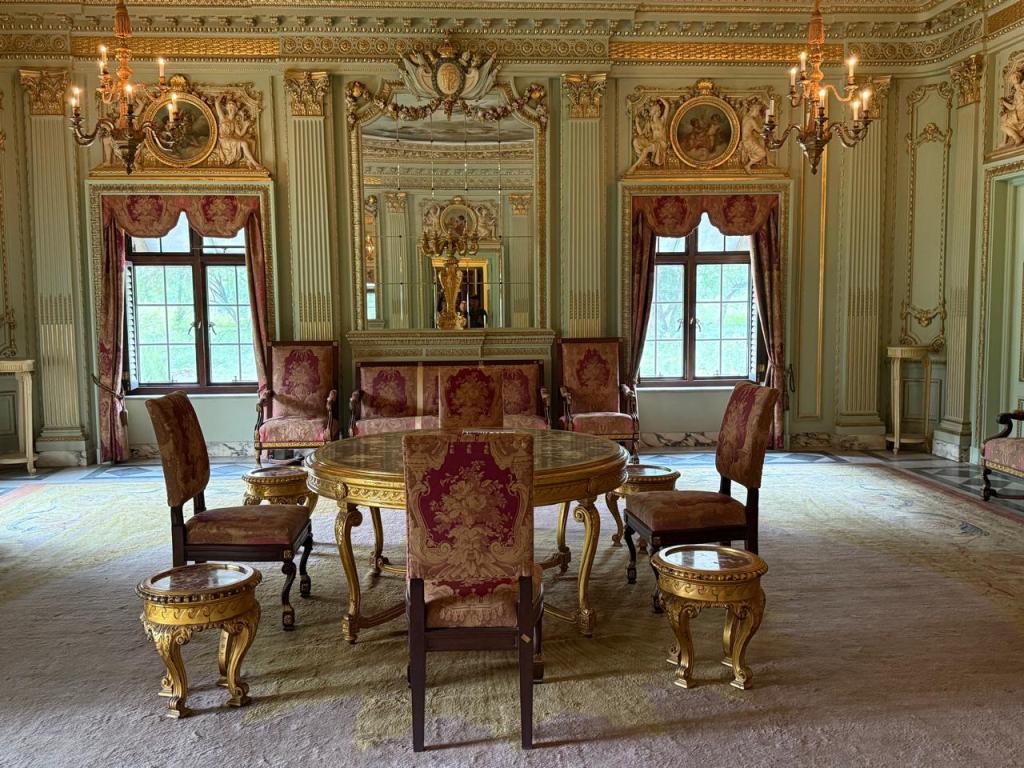
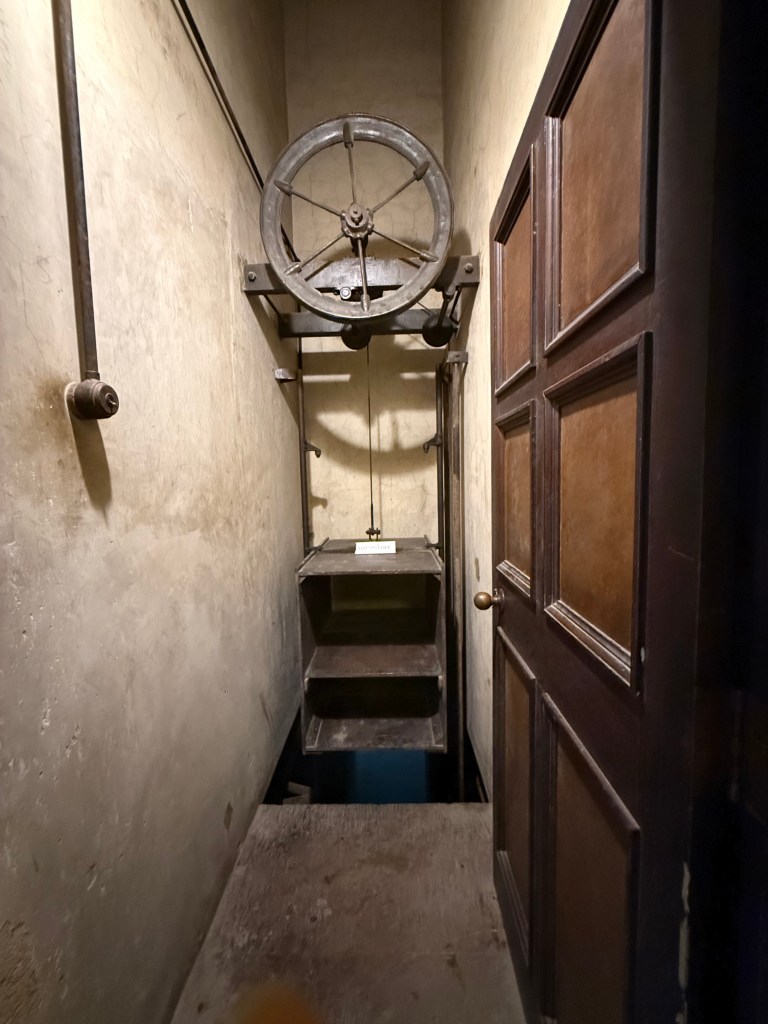
We visited the Lalbaug Palace. This is a sprawling palace owned by the Holkar dynasty and for some reason, built in the Renaissance style. Plenty of panelling, decorative plaster, stone- it is extremely ornate and there are monograms of the Holkar family everywhere. An interesting bit of construction is the ancient dumb waiter that was used to bring food to the dining areas from a very remotely located kitchen. The palace is currently undergoing restoration and many areas are cordoned off.
The album of pictures from the palace are here – https://photos.app.goo.gl/XPg6kQJ43v8i6sEj6

Indore was also about the food. Sarafa and Chappan are two famous locations and we were determined to try some of the local cuisine and street food. Sarafa is a market with a labyrinth very narrow streets. Late into the evening, when the shops shut the down, the market turns into a “khau galli”! Street food from all over India is sold here and even on a week day, it is very crowded. We did not find food that is specific to MP, but the samosas/kachoris taste different and are a must try. Chappan dukkan is exactly what it is called- 56 shops. Again, there is so much variety of street food, but no one could point us to any cuisine that is MP specific. Here, I must mention that we had great Poha for breakfast everywhere in MP and the Sev and raw onion topping with the Poha was just too yummy!
We caught up with friends Pooja and Zakir at Indore and their generous hospitality extended to sending us back with big, big goody bags! We also found great Maheshwari saris and Gond paintings.

Our next stop was Bhopal. This was planned as an overnight stop on our way to Jabalpur. We arrived at the eve of Dasshera and everything was shut. That put paid to a planned visit to Bharat Bhavan.
Our travel story continues in Part 2

