Bhimbetka, Pachmarhi, Jabalpur
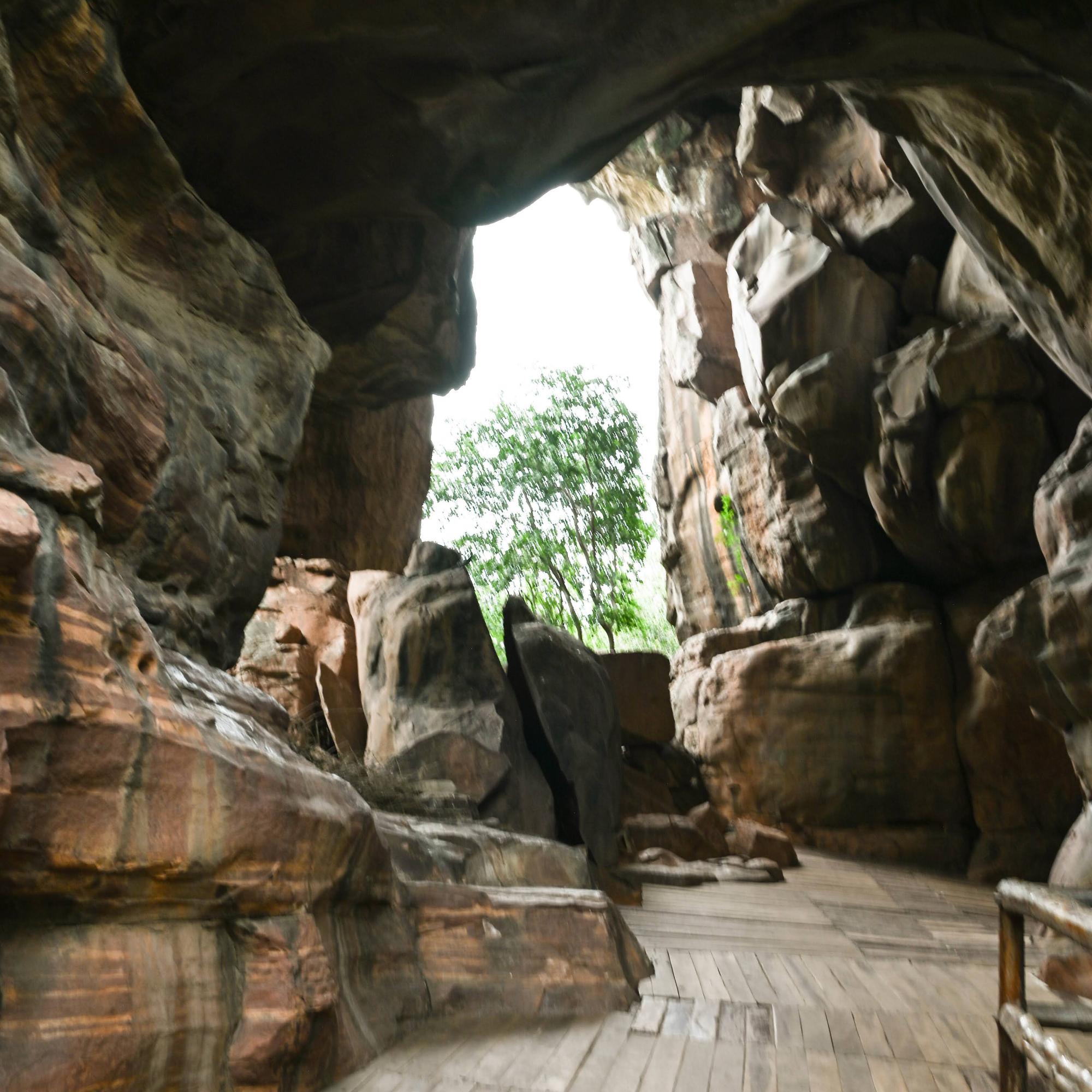
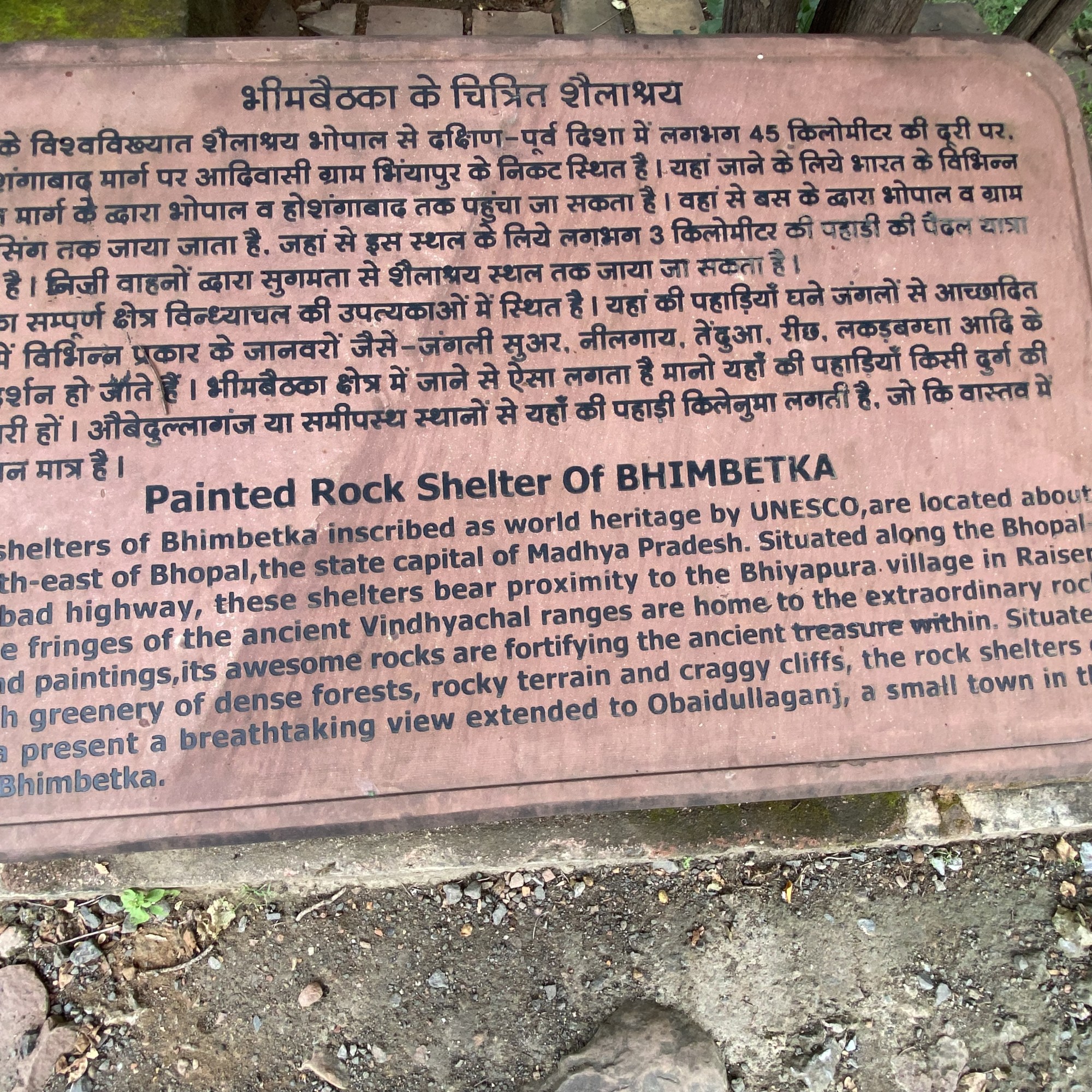
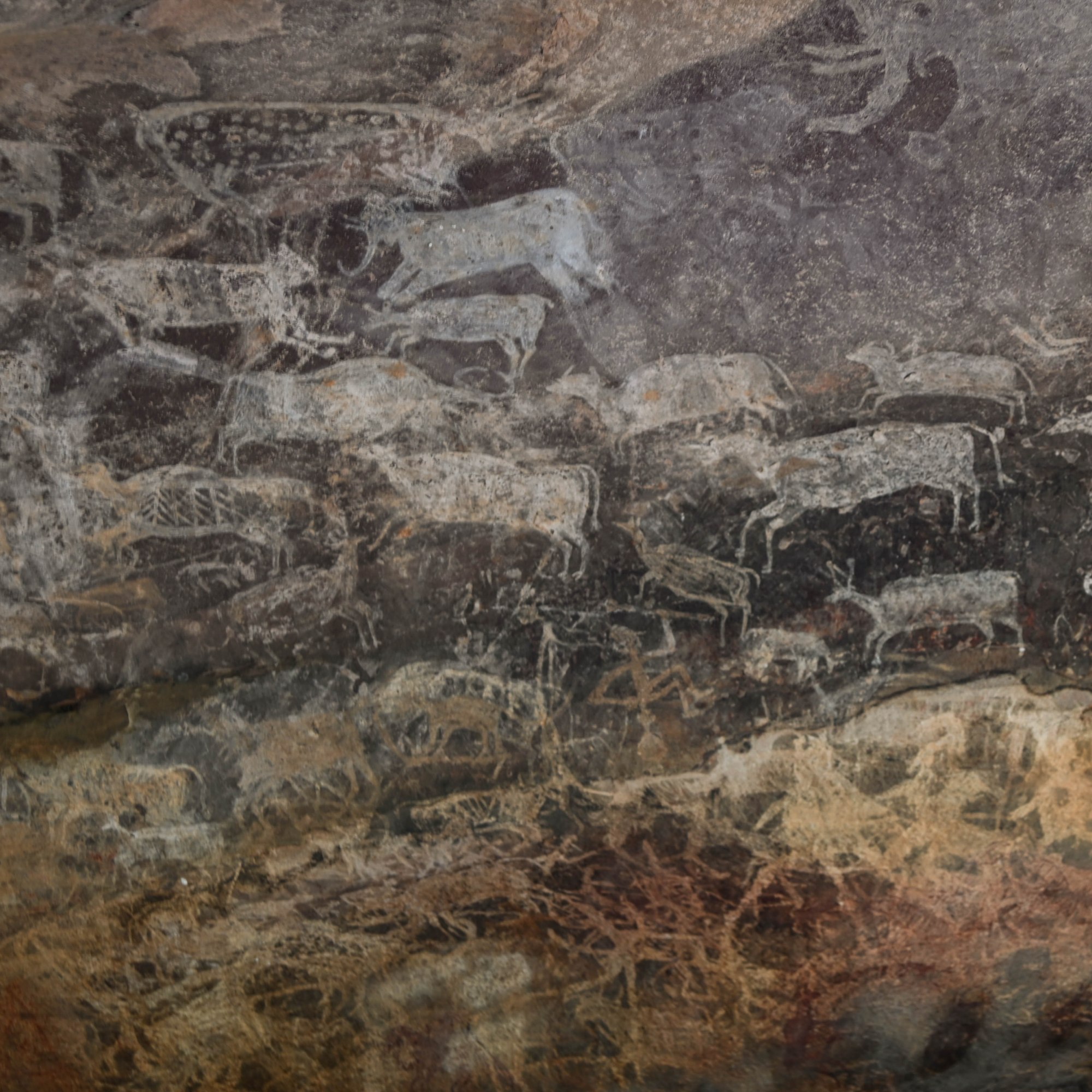
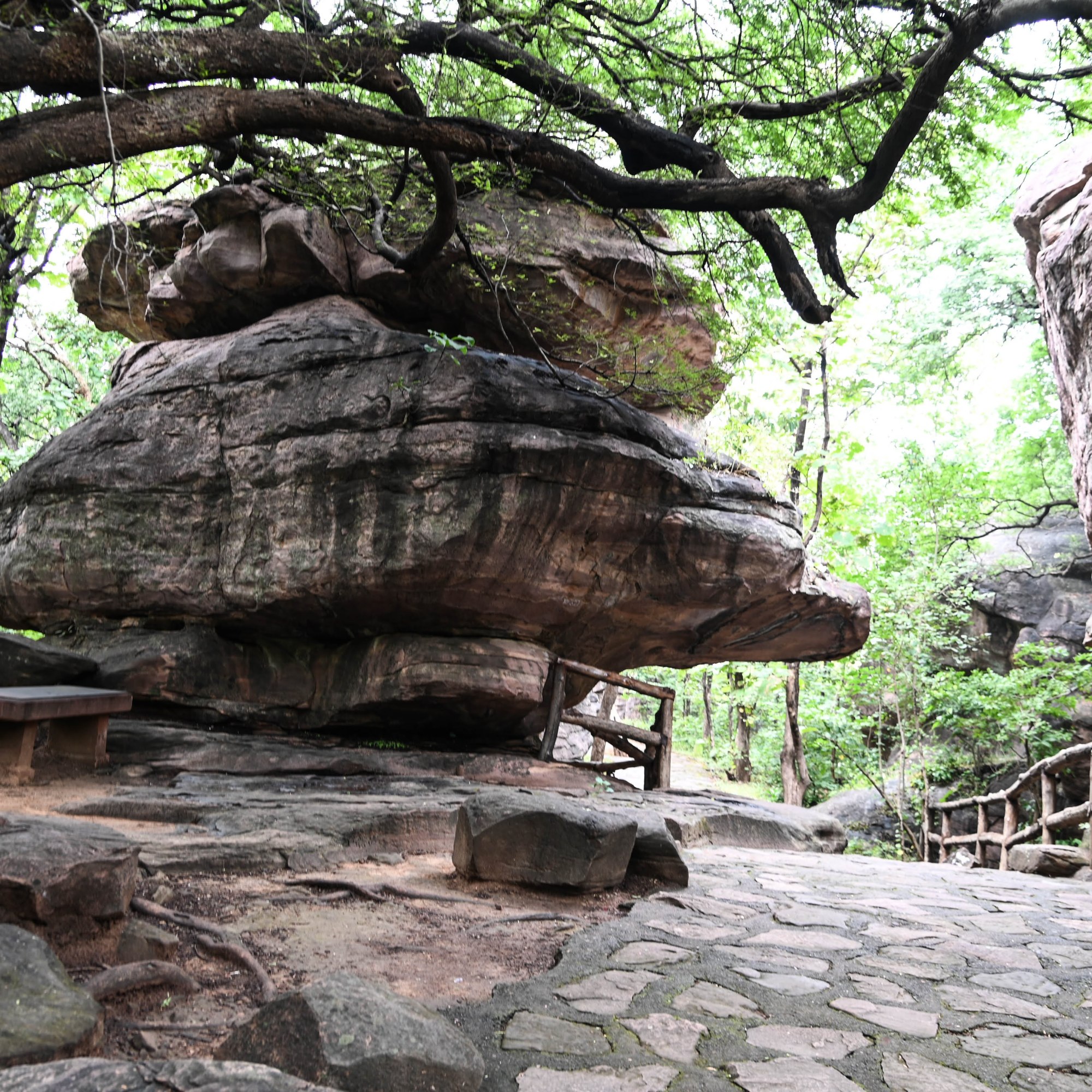
Bhopal was an overnight stay. On our way to Pachmari, we took a diversion and visited the Bhimbetka rock shelters. Bhimbetka boasts of cave paintings from the Paleolithic and Mesolithic eras. The paintings on the rock surfaces depict human settlements ,agriculture and culture. Some of the paintings are prehistoric with depiction of hunting, warriors on horseback, from the Stone Age. The ‘Zoo Rock’ is one significant shelter in which there is an army of horses, peacocks, deer and other animals are painted. Bhimbetka is known to be the oldest known rock art in India. We had access to a limited number of caves and after a couple of hours, we proceeded to Pachmarhi.
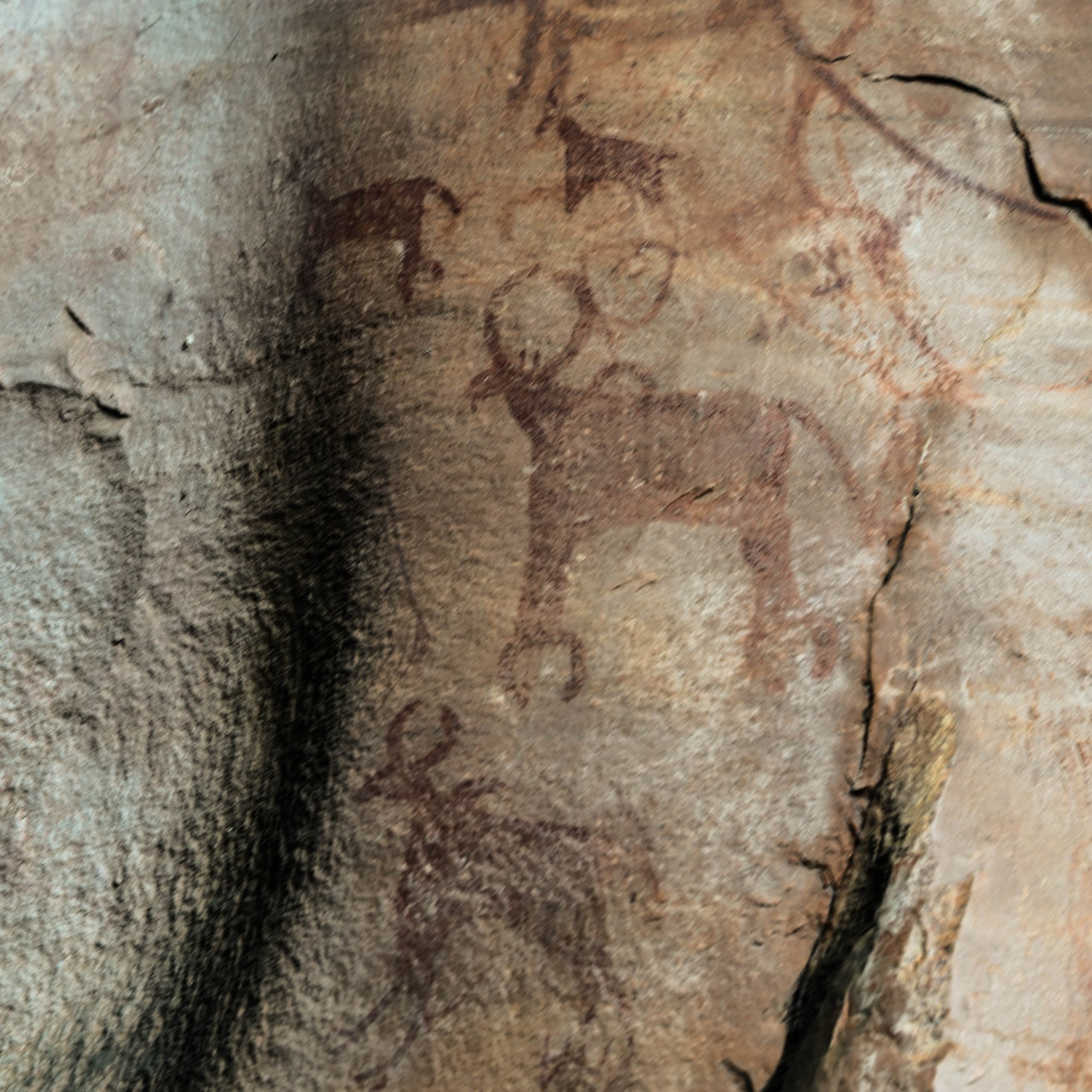
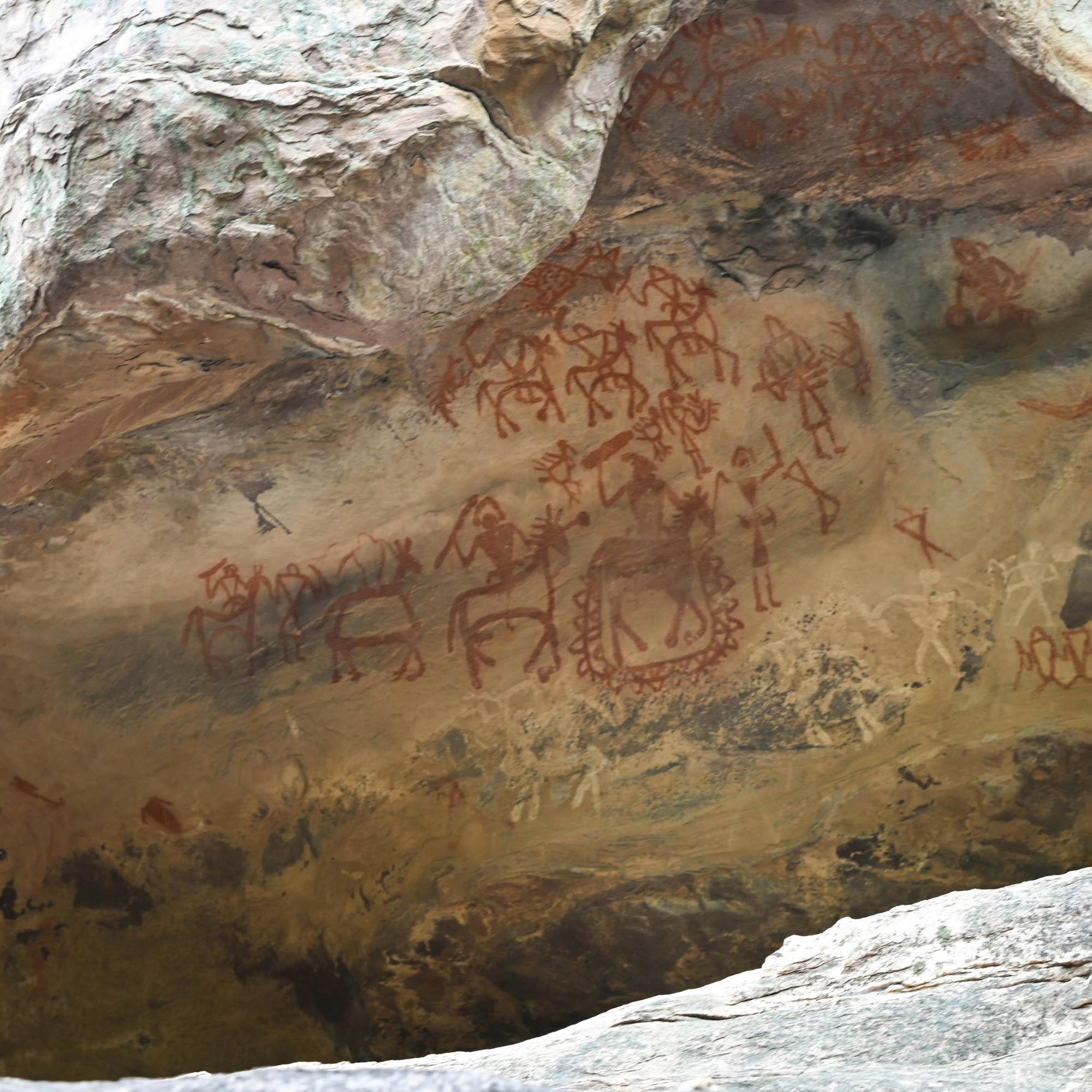
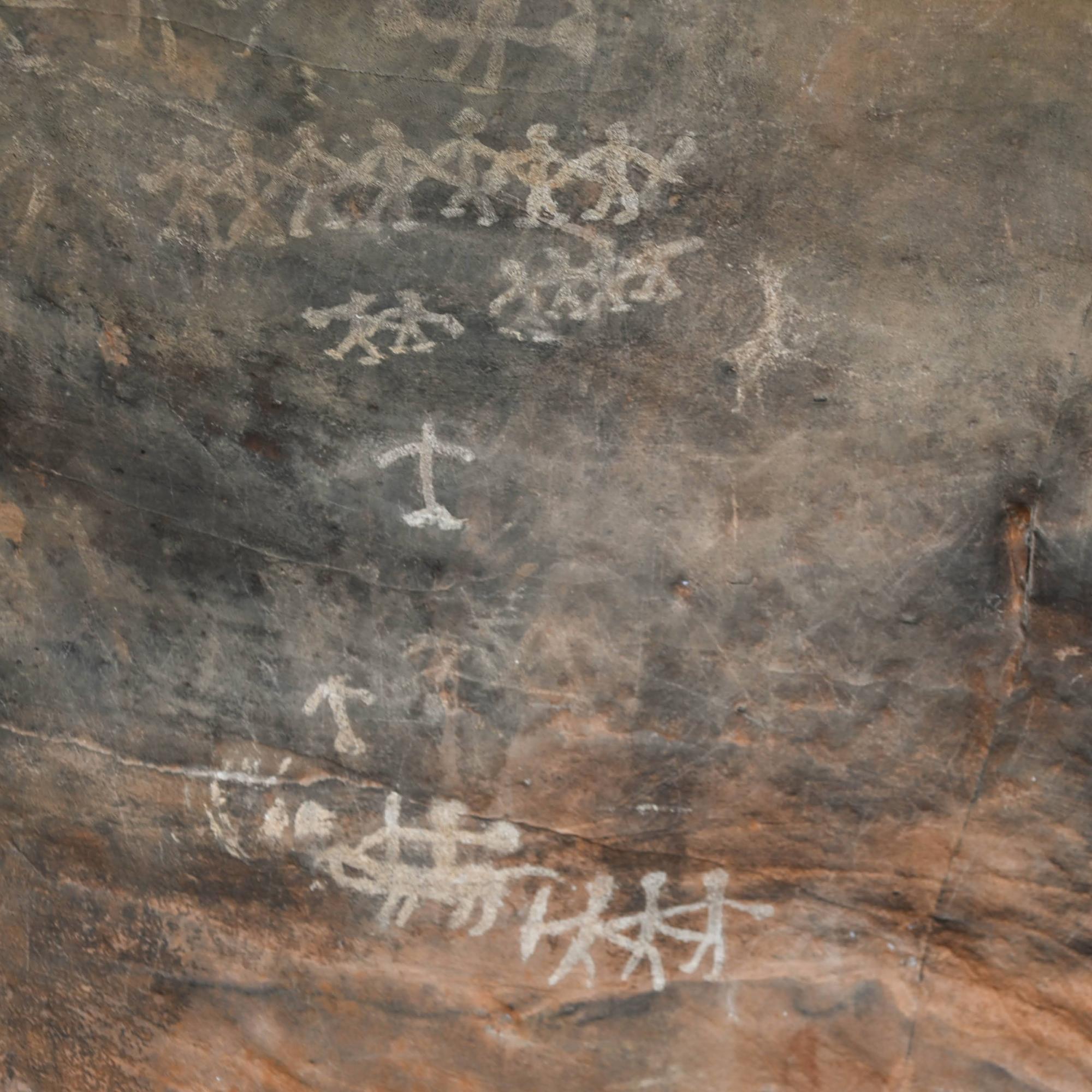
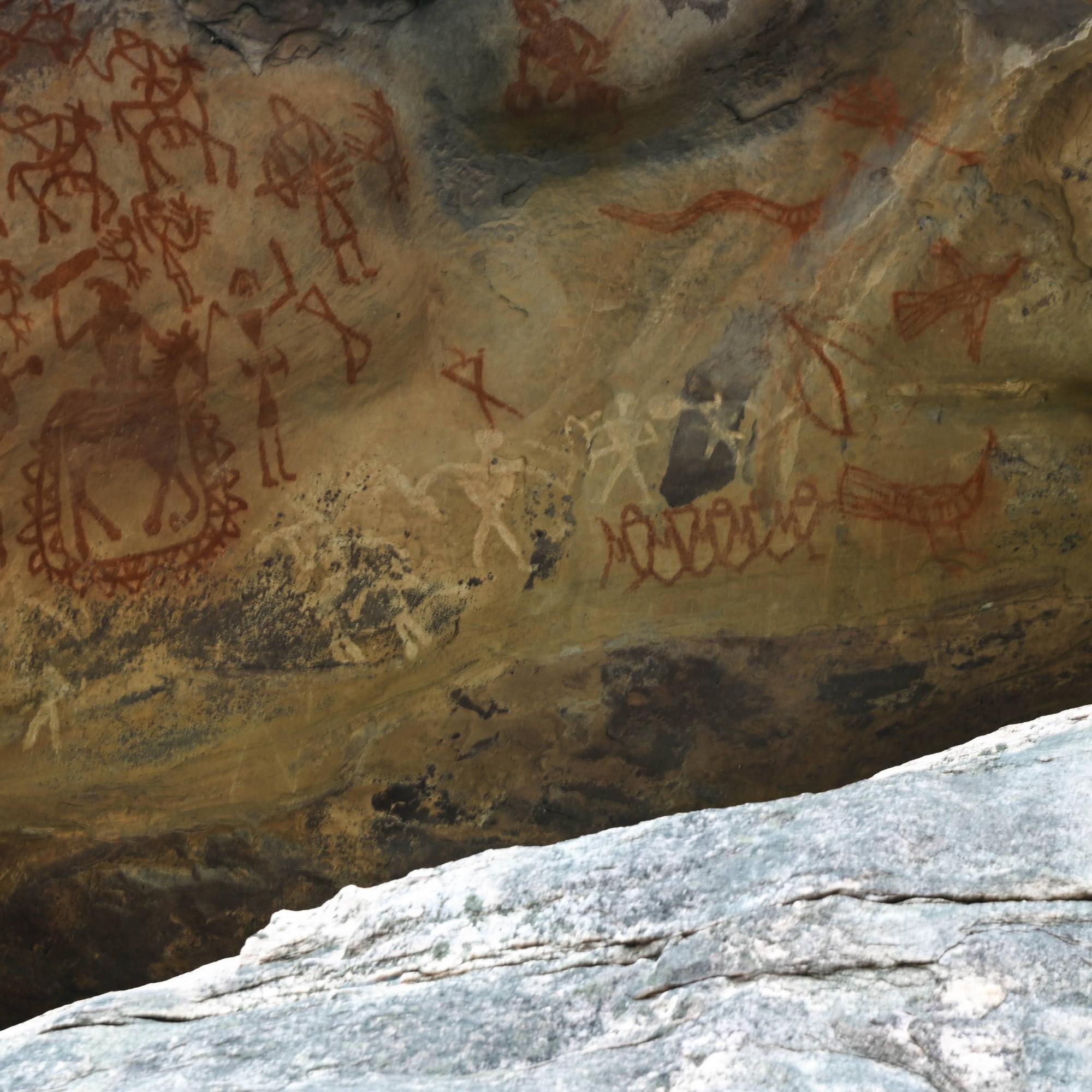
https://photos.app.goo.gl/SNvRe2wuuUAHVscY8
Pachmarhi is a hill station, located alongside and at the edge of the Satpura tiger reserve. The road into Pachmarhi is a ghat road and is green, winding and beautiful! We skirted the forest for 35-40 kilometres and our eyes were peeled towards the landscape in the hope of spotting wildlife!

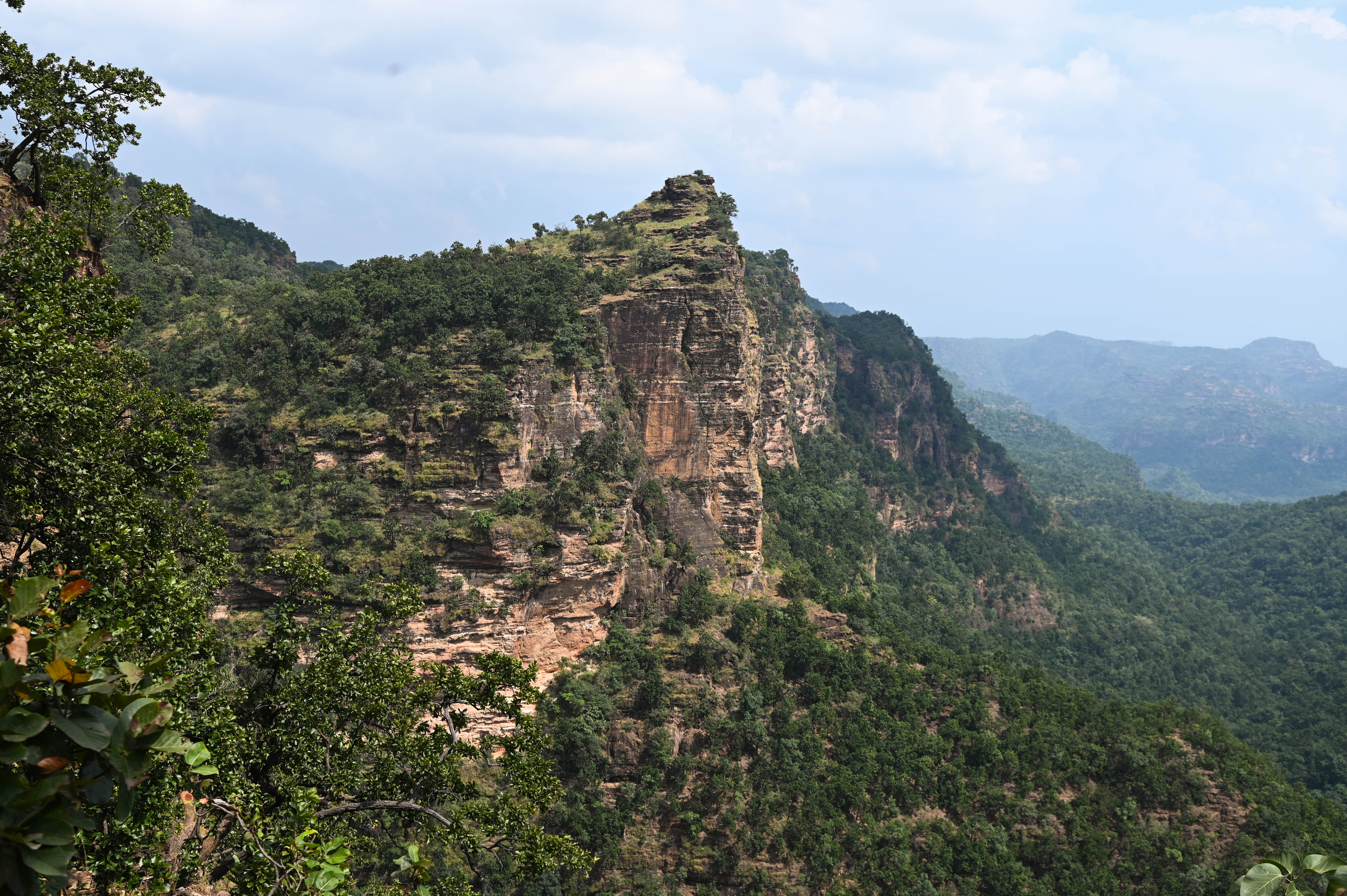
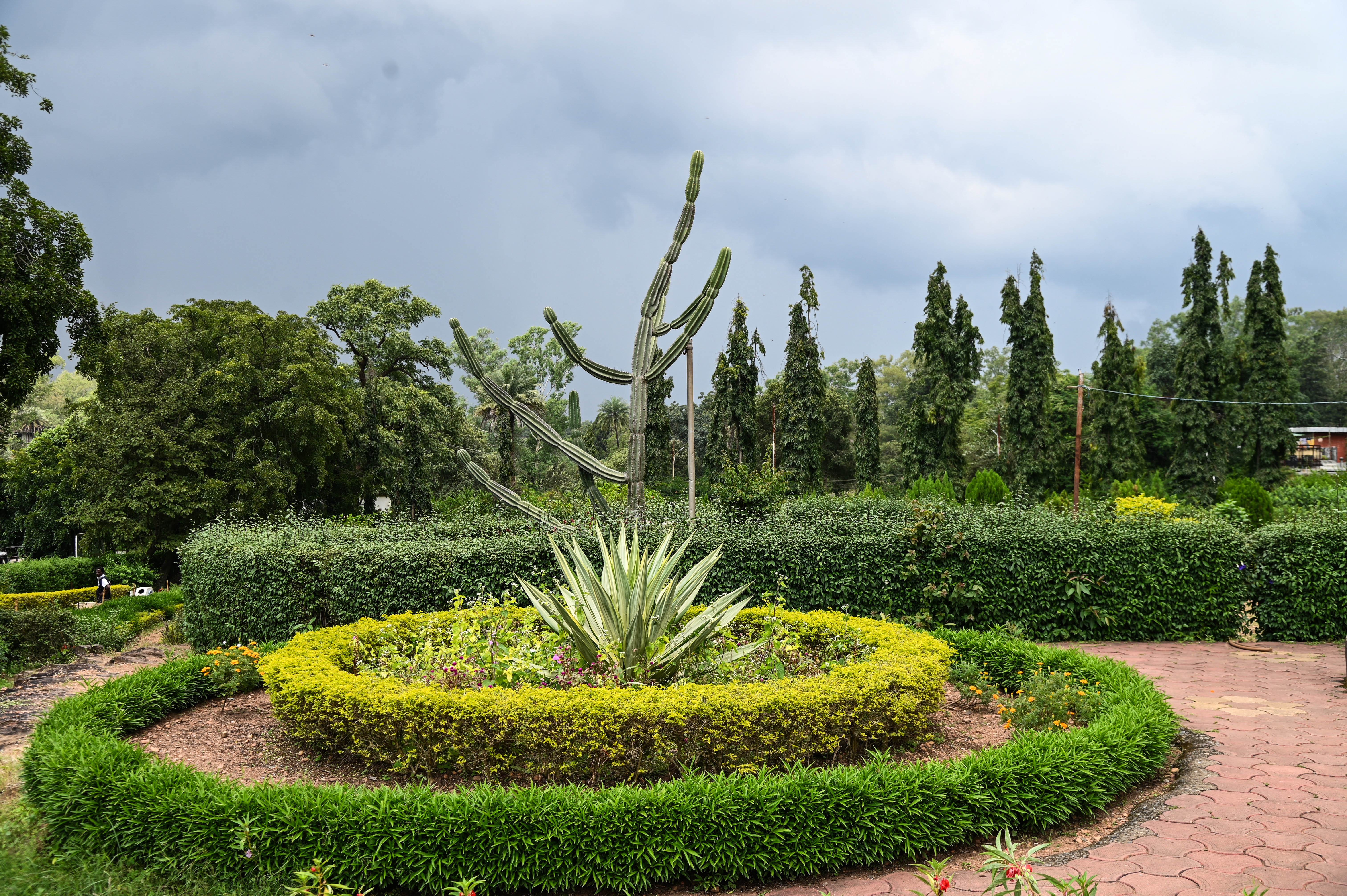
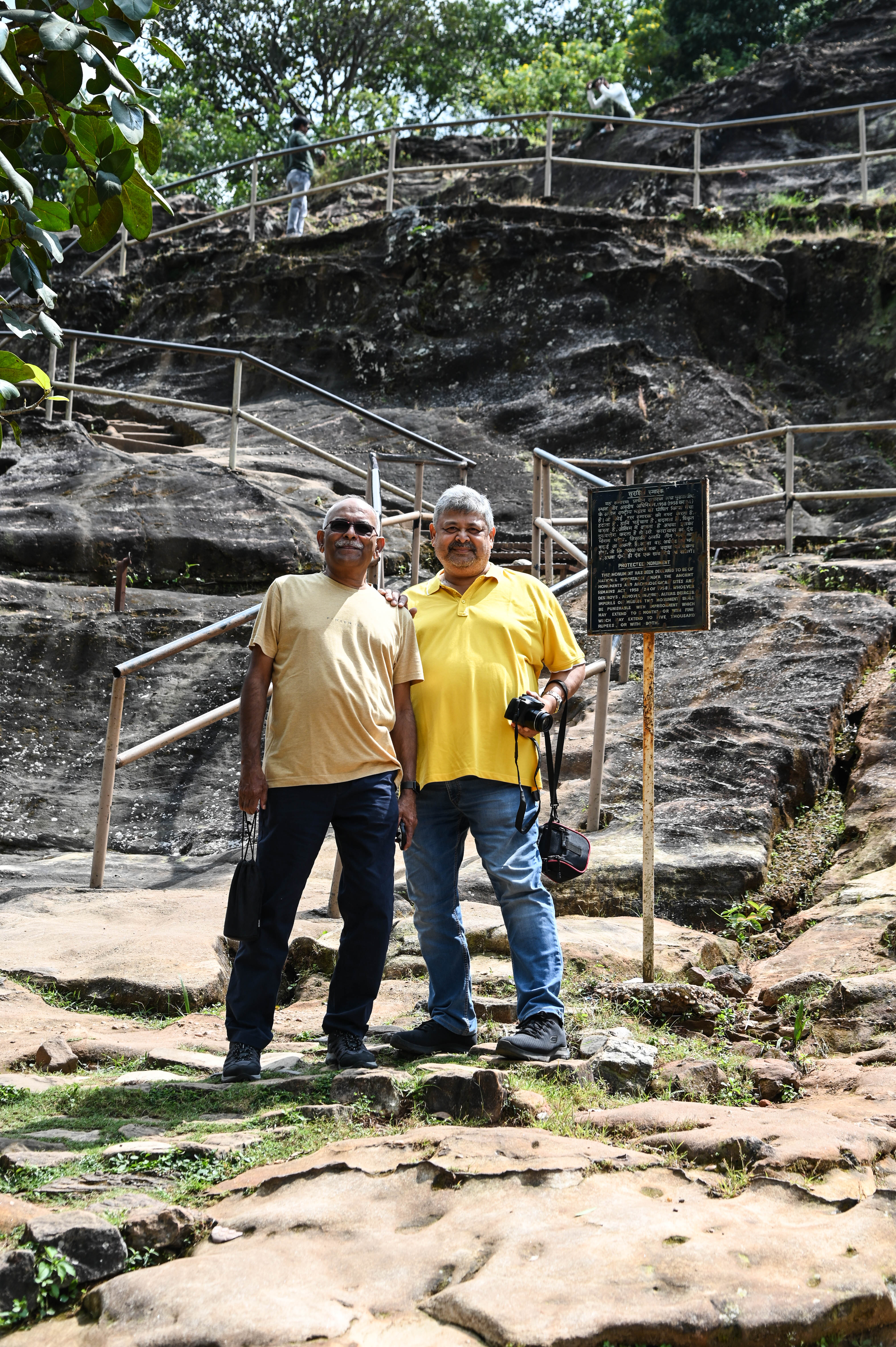
We entered Pachmarhi through a Cantonment area ( AEC) and stayed at the MP tourism facility which is a large property built in the colonial style. It was overcast and rainy and we spent our time visiting various lookout points and also the Pandav caves. A big part of our stay and the best part was the drive through the hills on the outskirts , again, in the hope of seeing wildlife. We did not spot any animal, but the drive itself was time well spent.
Our Pachmarhi album is here – https://photos.app.goo.gl/Pj8HmJc87XuQv8nt7
Our penultimate stop before we hit the national parks was Jabalpur. We reached after noon, from Pachmarhi and decided to spend the day at the hotel, unwinding. The next day was a quintessential trip to Dhuadar falls and Marble rocks.
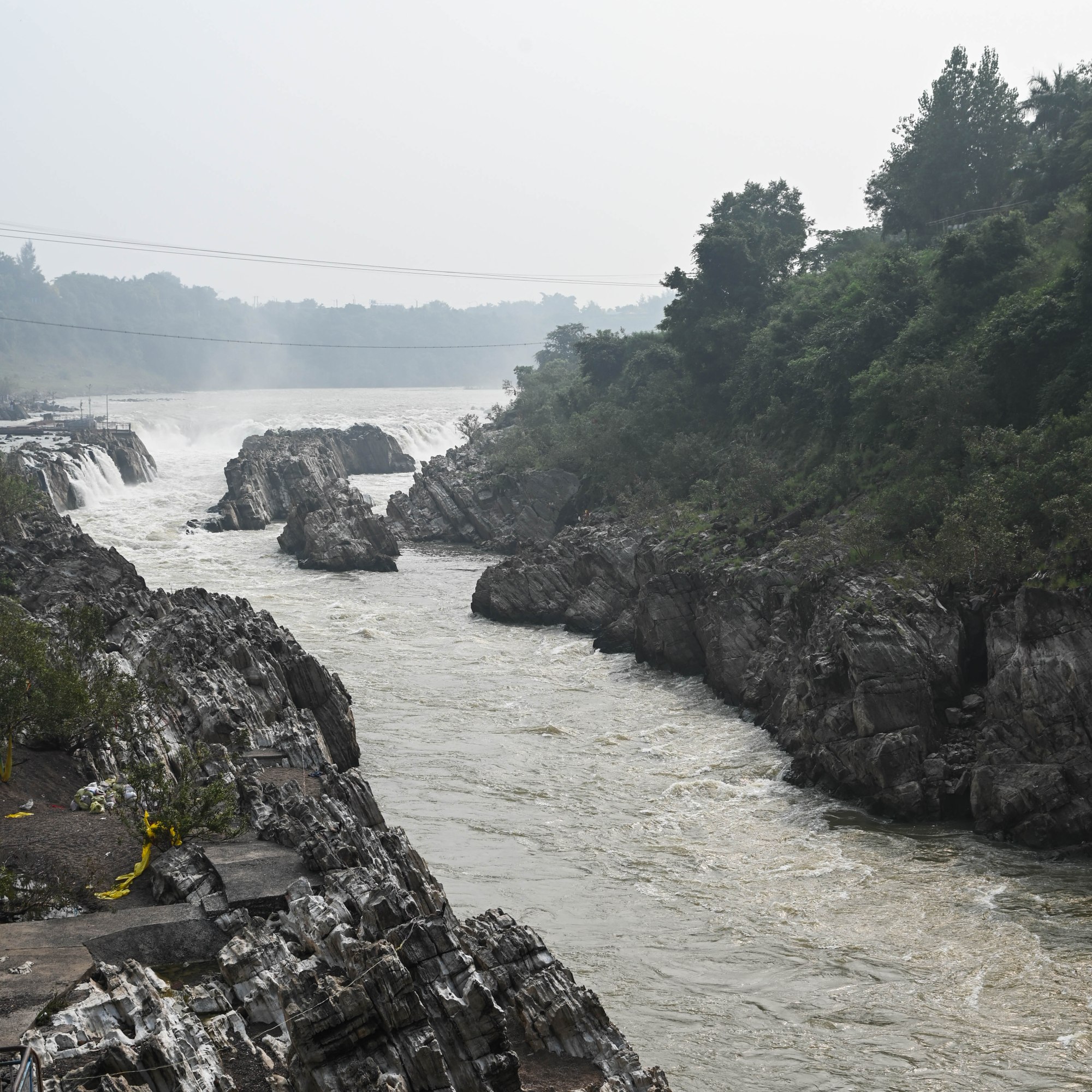
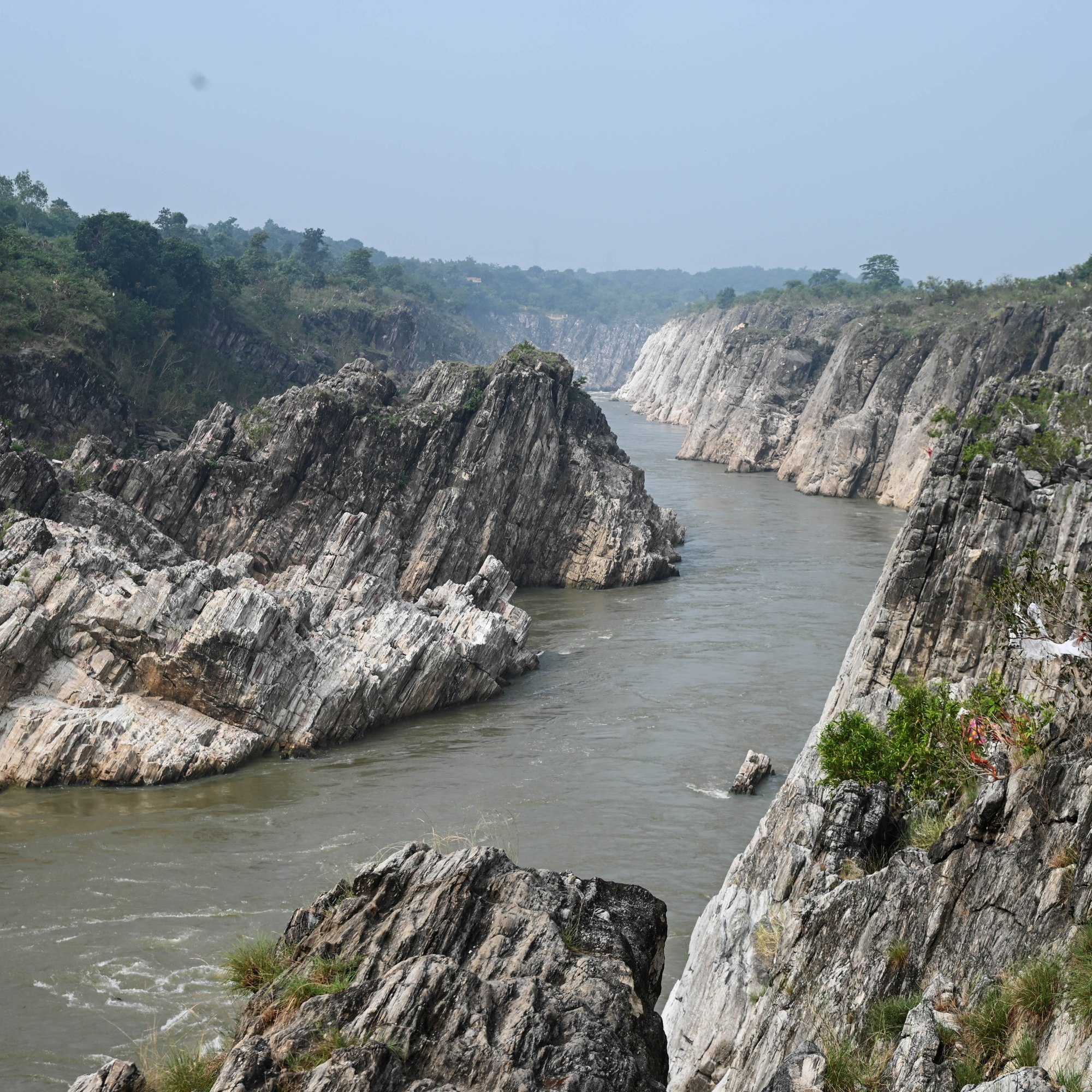
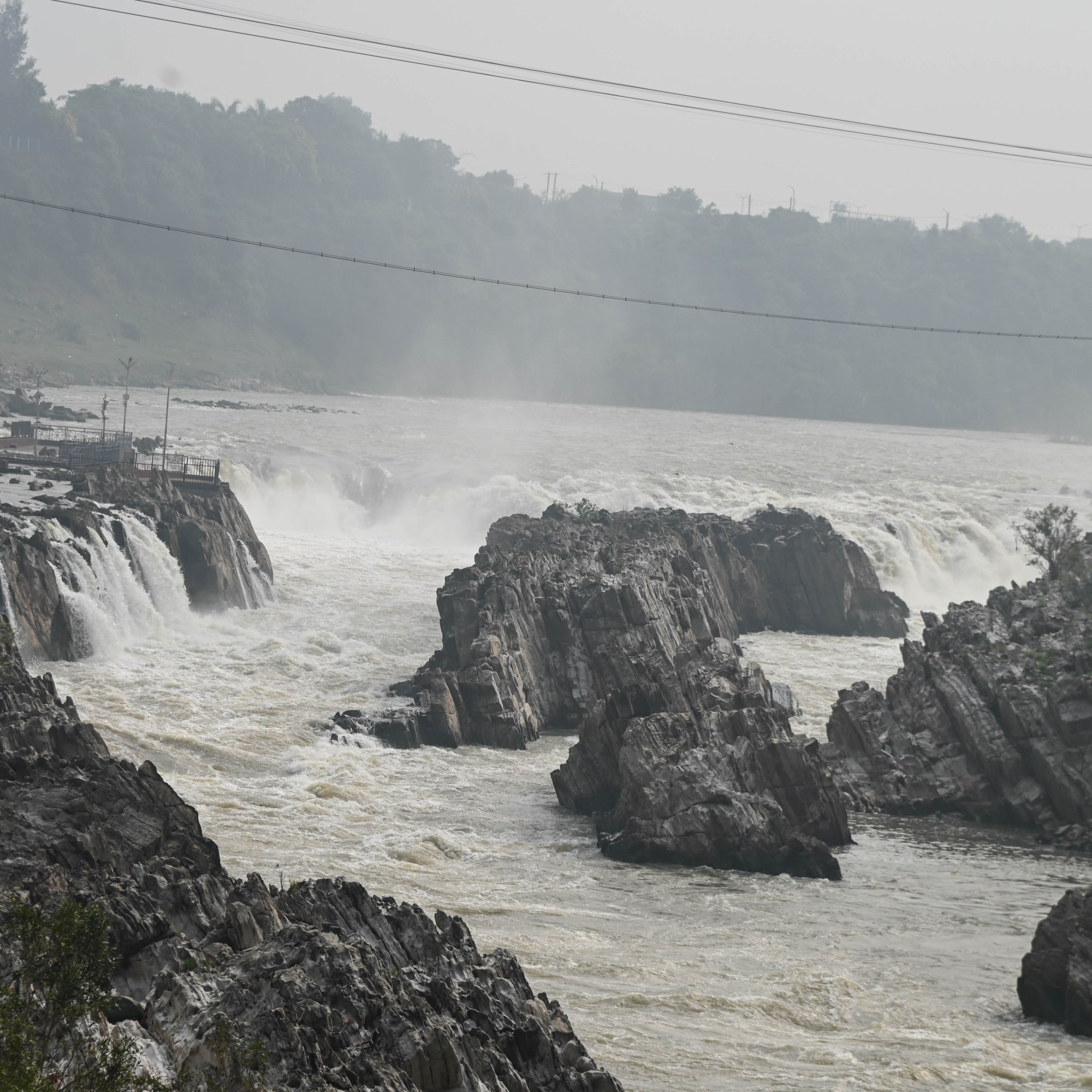
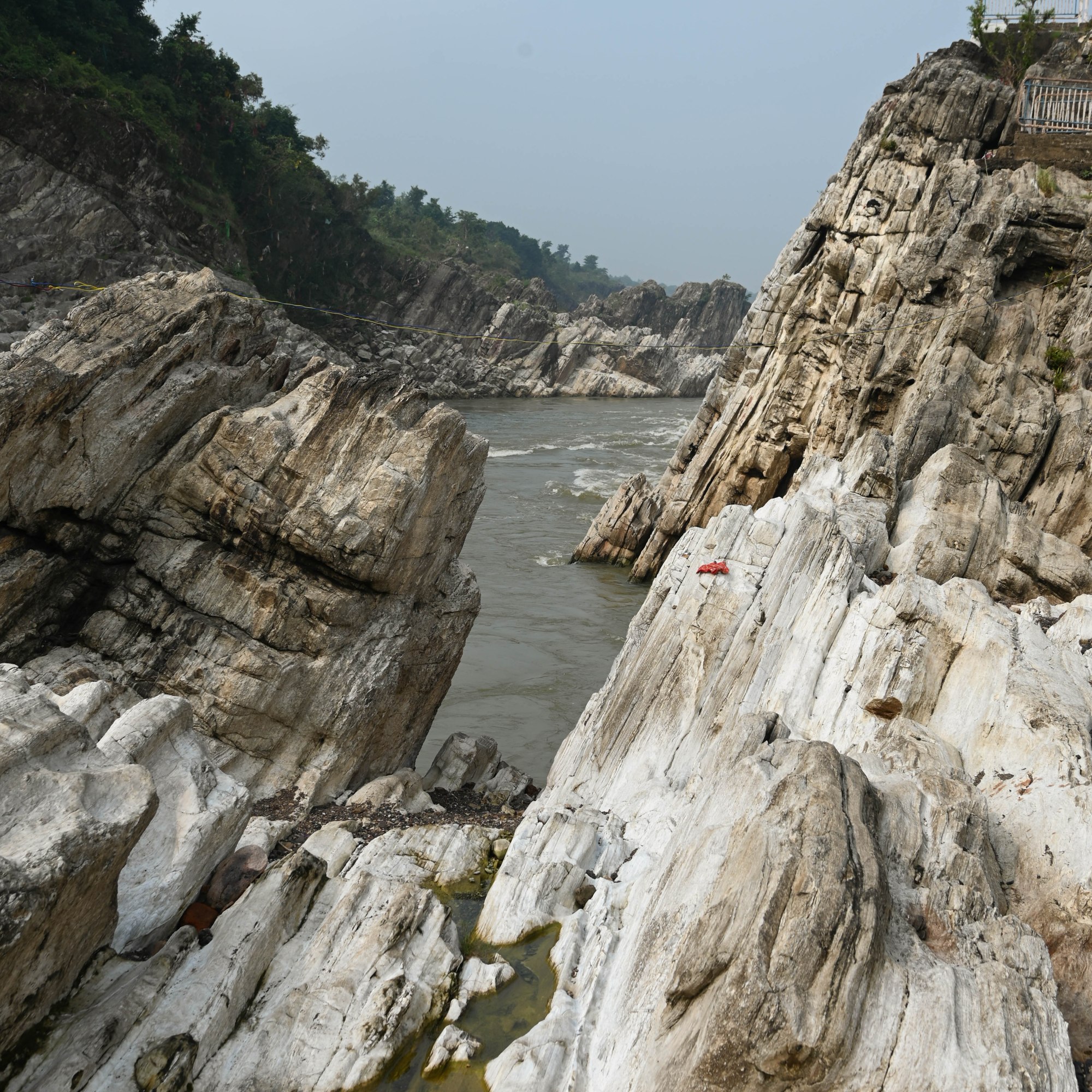
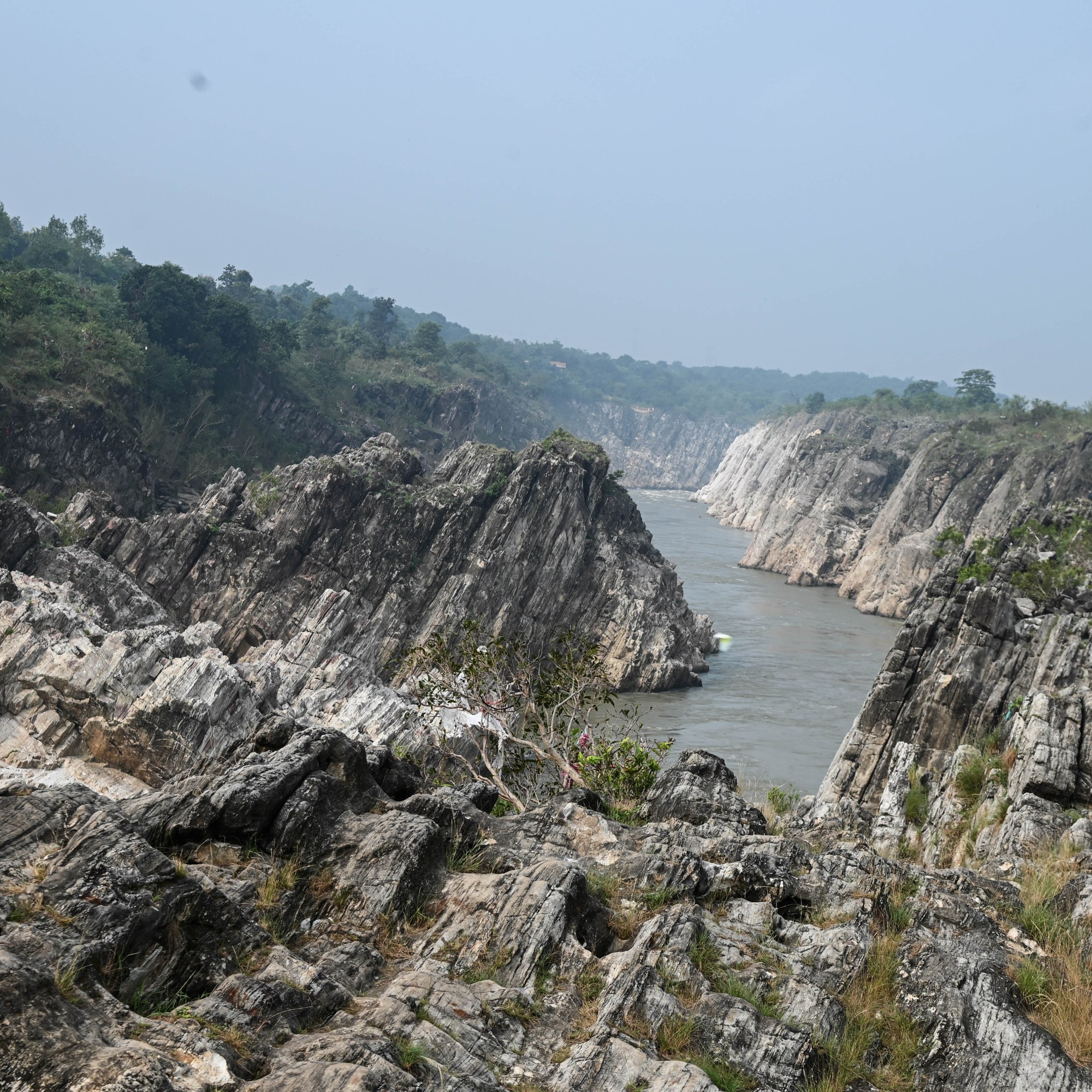
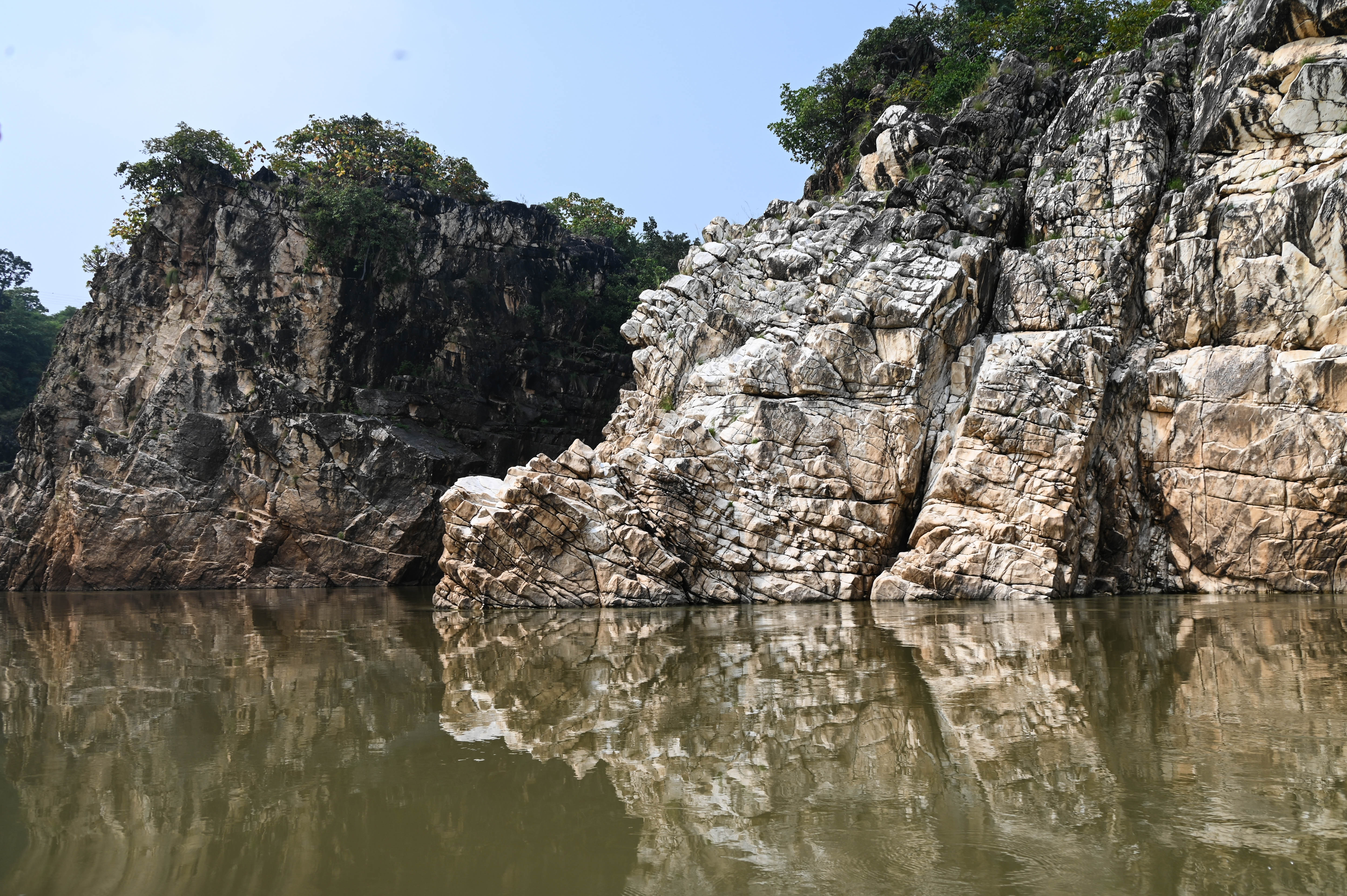
The falls are stunning, but better still is the narrow gorge into which the river flows with beautiful inclined rock formations in marble straddling the river. The river itself is fast flowing near the falls, with small eddies and swift currents. There are vantage points that have been thoughtfully located alongside the falls and along the river that allow for us to enjoy the vista.
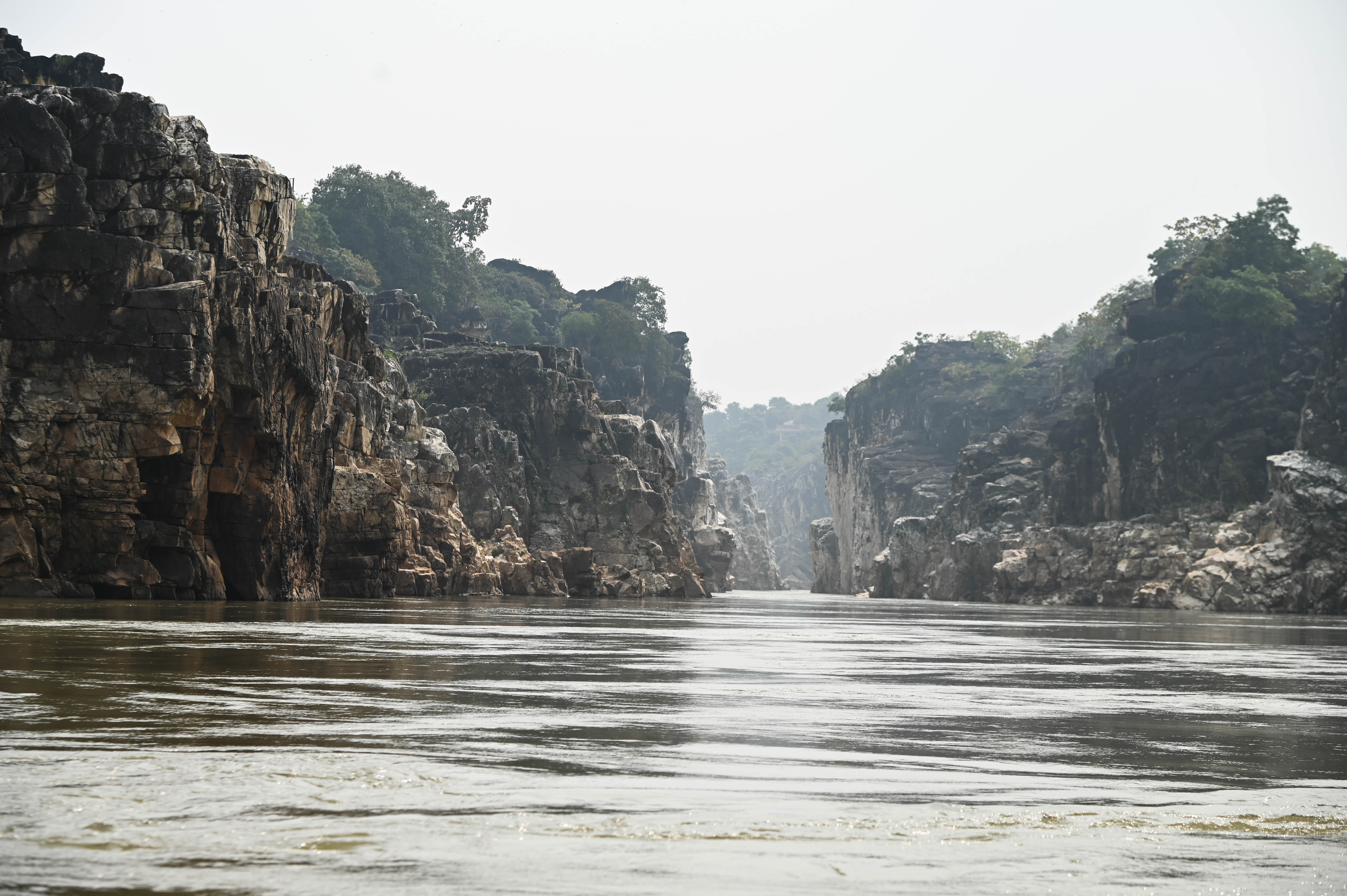
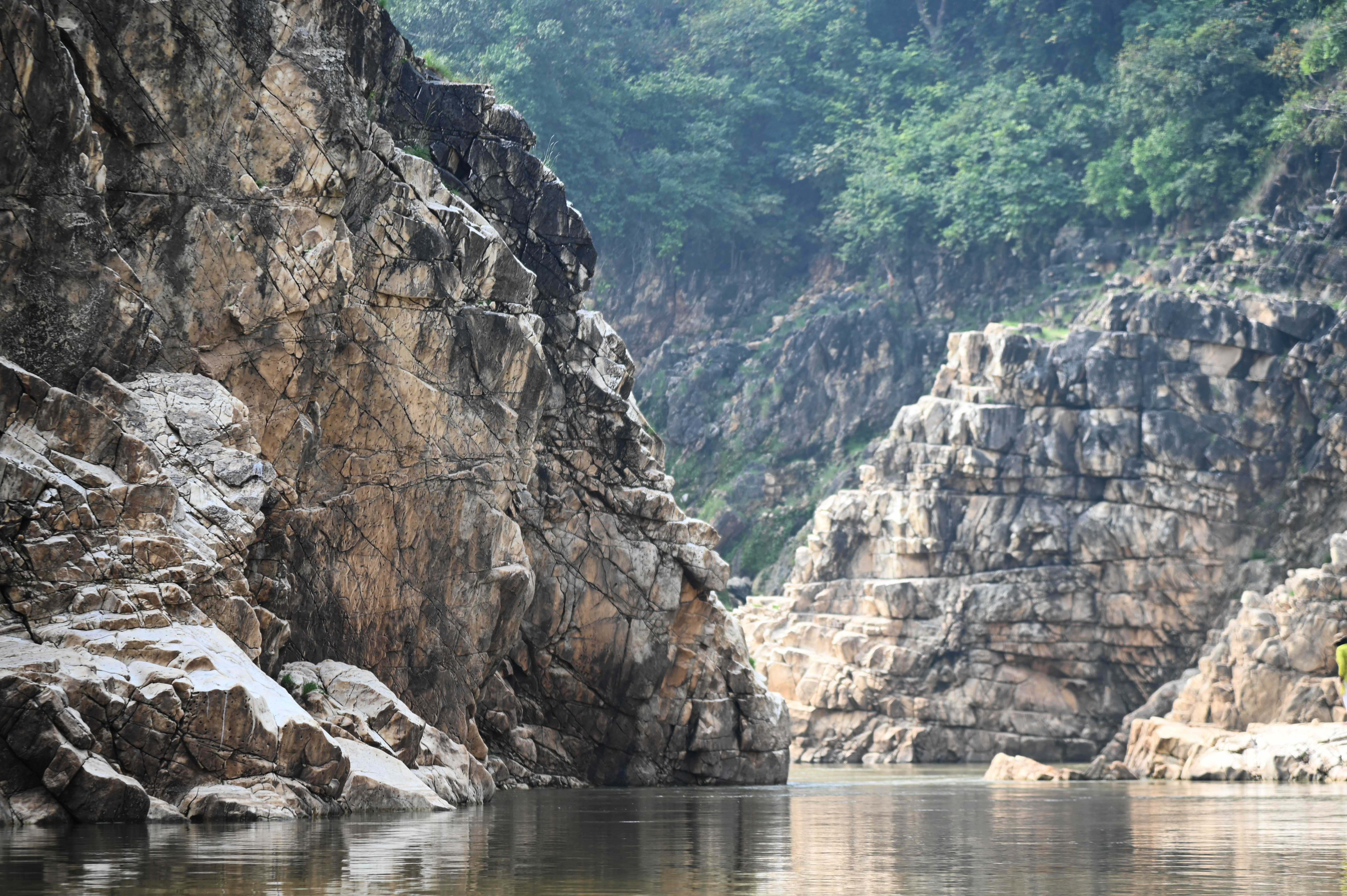
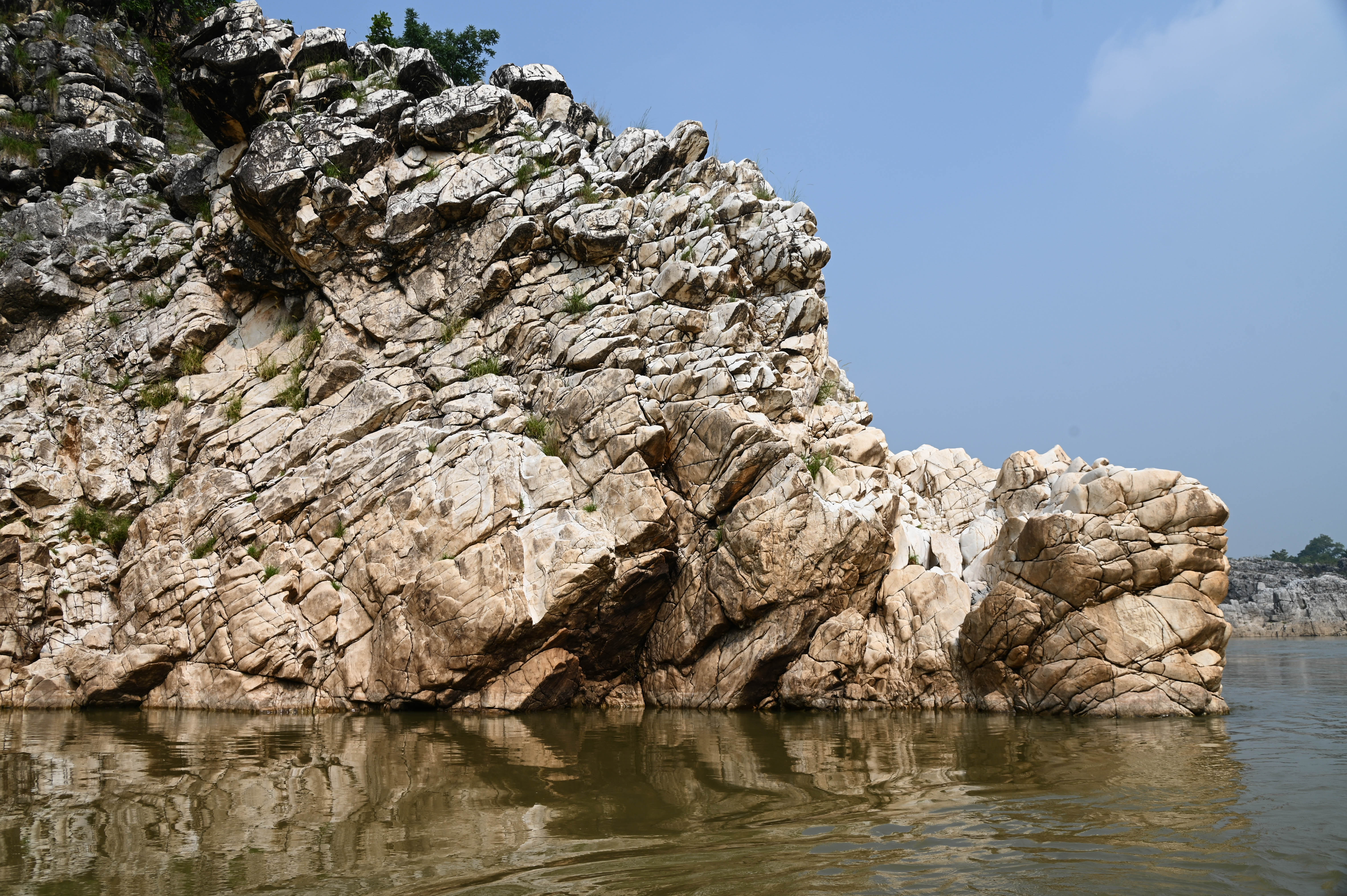
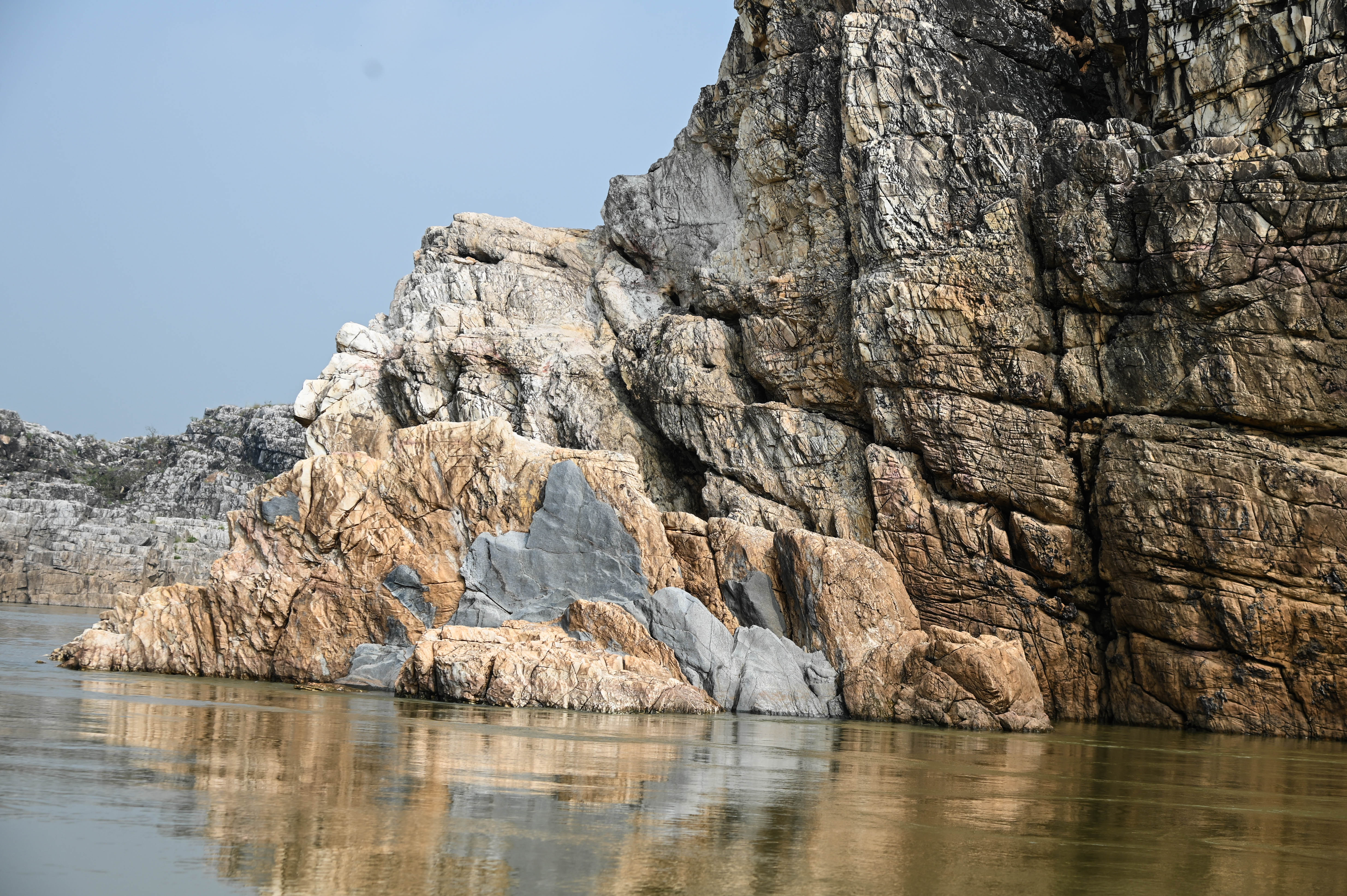
Marble rocks or Bedaghat is a little further away. The access is through small lanes, dotted with shops selling artefacts made of marble ranging from large idols, to carved receptacles and tableware. Bedaghat is a long gorge in which the Narmada flows. The marble is of different colours and the water levels have contributed to changes in their colour and structure. Since the water levels were high, the depth of the gorge was not really in evidence. Boats ply tourists into the gorge, for a limited distance. We went on a boat quite close to the rocks and got a close up of the formations. The boatman keeps a constant and informative humorous dialogue going, to dispel our fears.
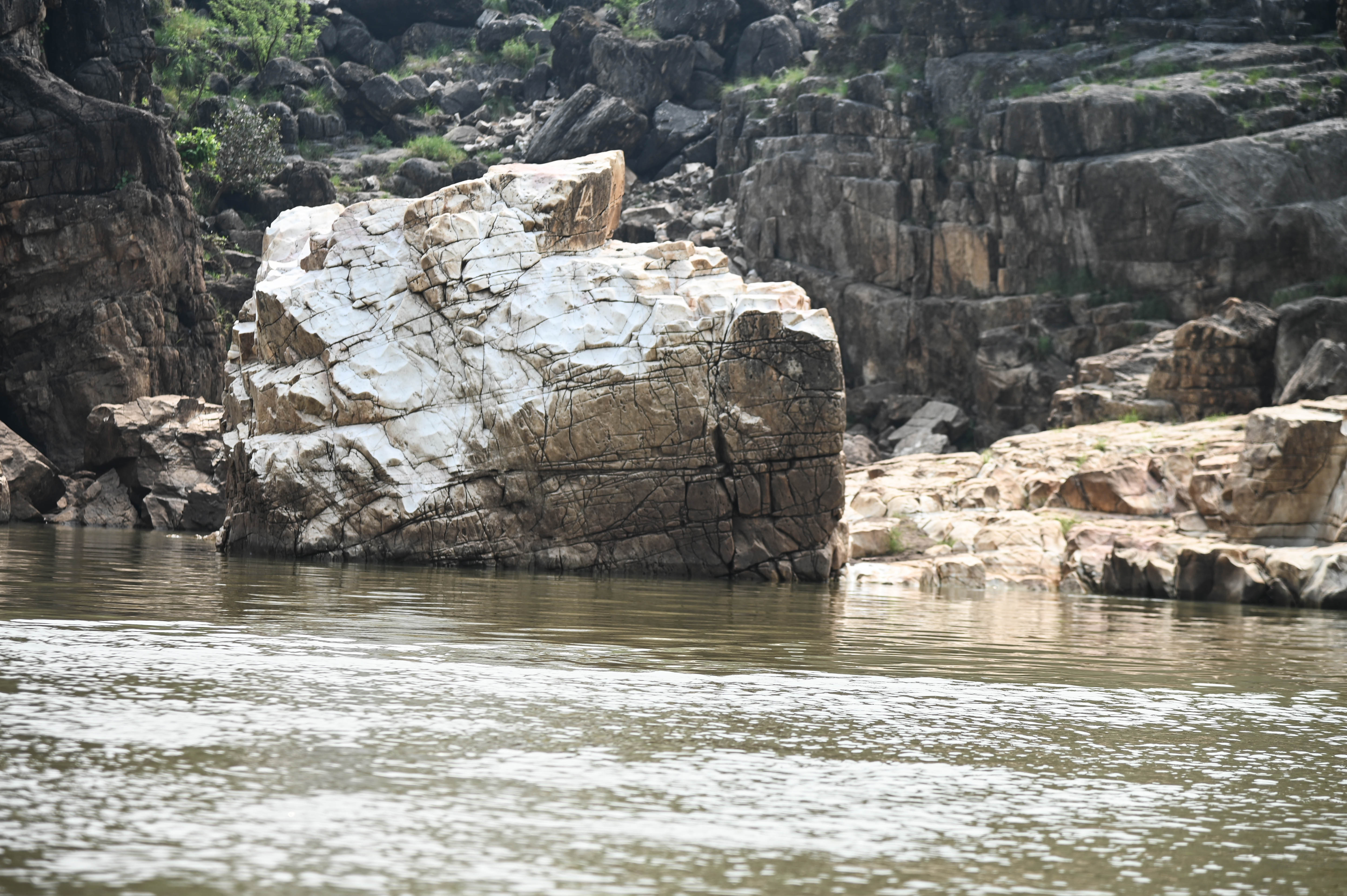
We also went to the area where the Balancing Rock is located. Sandeep and Archana were tireless and went to check the garden out. There is more than just the Balancing Rock within the complex.
The album from Jabalpur – https://photos.app.goo.gl/RtzYqFW8KR3dRUS49
This was our last stop before we left for Kanha, the first of the National Parks on our itinerary.

